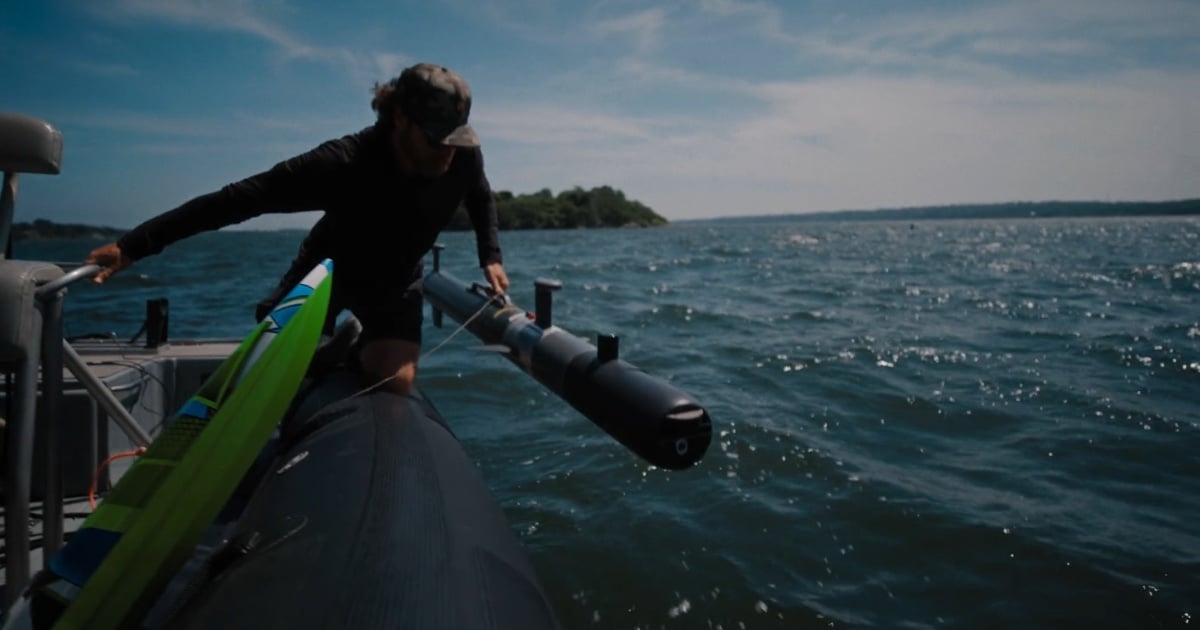
“Taiwan is one of many allies rethinking what undersea defense looks like, and we’re glad NCSIST sees Vatn as an integral part of that conversation,” said Nelson Mills, co-founder and CEO of Vatn Systems. “Building affordable undersea autonomy for U.S. and allied partners and deploying that capability at scale is core to our strategy, and this agreement gives us a chance to explore how that technology can support Taiwan’s naval modernization efforts.”
The Memorandum of Understanding (MOU) establishes a framework for Vatn and NCSIST to jointly:
- Develop AI-enabled command-and-control systems
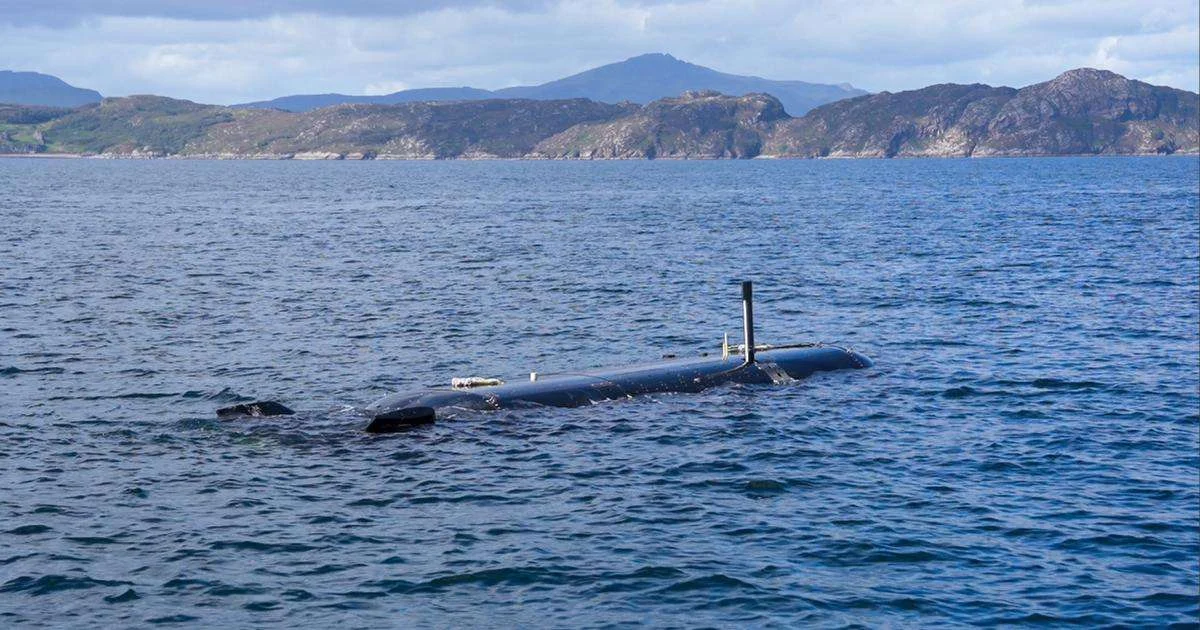
- Field autonomous underwater vehicles including Vatn’s S12 AUV
- Build supply-chain and sustainment support based in Taiwan.
The agreement reflects growing interest from allied defense ministries in Vatn’s modular, low-cost approach to undersea autonomy, which allows its AUVs to be tailored to mission-specific ranges, accuracy, and sensor requirements without the cost structure of legacy systems.
This agreement comes on the heels of Vatn’s recent launch of SIGURD, an autonomous mine countermeasure system built on its Skelmir S6 platform.