Bravo Squadron of the Diving and Threat Exploitation Group earned the Firmin Sword of Peace in recognition of safely disposing of more than 250 bombs, shells, and explosive devices in 12 months.
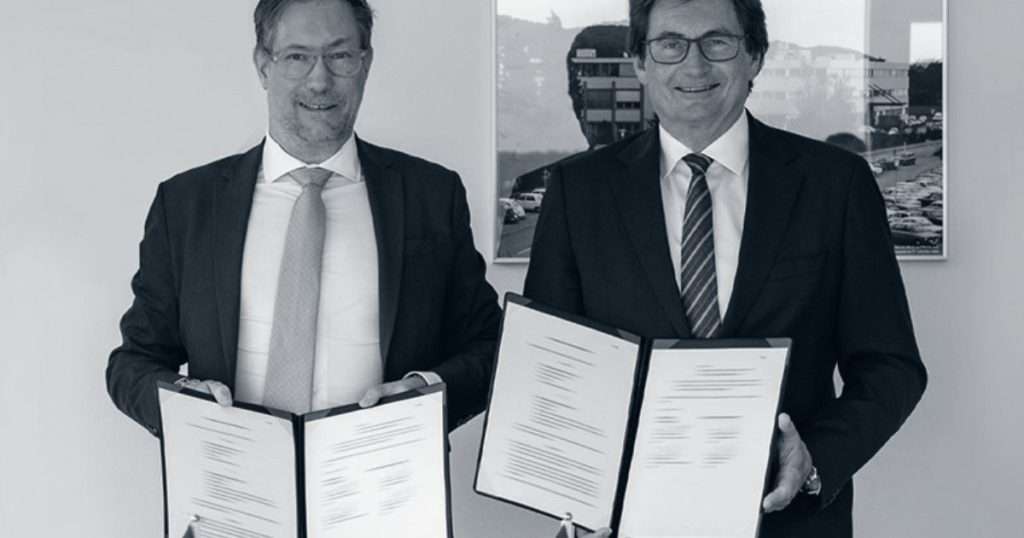
Divers were presented with the sword by Firmin’s Head of Operations Ian Smith at a ceremony in Portsmouth Naval Base—at the very moment some of their comrades were hitting the headlines for their efforts dealing with a WWII bomb in Falmouth Harbor.
The award of the sword covered the squadron’s deeds in 2024, spanning some of the most high-profile bomb disposal tasks conducted in recent years: a WWII bomb which caused massive disruption in Plymouth, historic chemical weapons in a popular tourist site in Wales, and old demolition charges left on the Pacific island of Pitcairn.
The 42-strong diving unit, split between Portsmouth and Devonport Naval Bases, is on duty 24/7, 365 days a year, with many of its call-outs being Military Assistance to Civilian Authorities (MACA) tasks—working with police and councils when old ordnance is discovered.
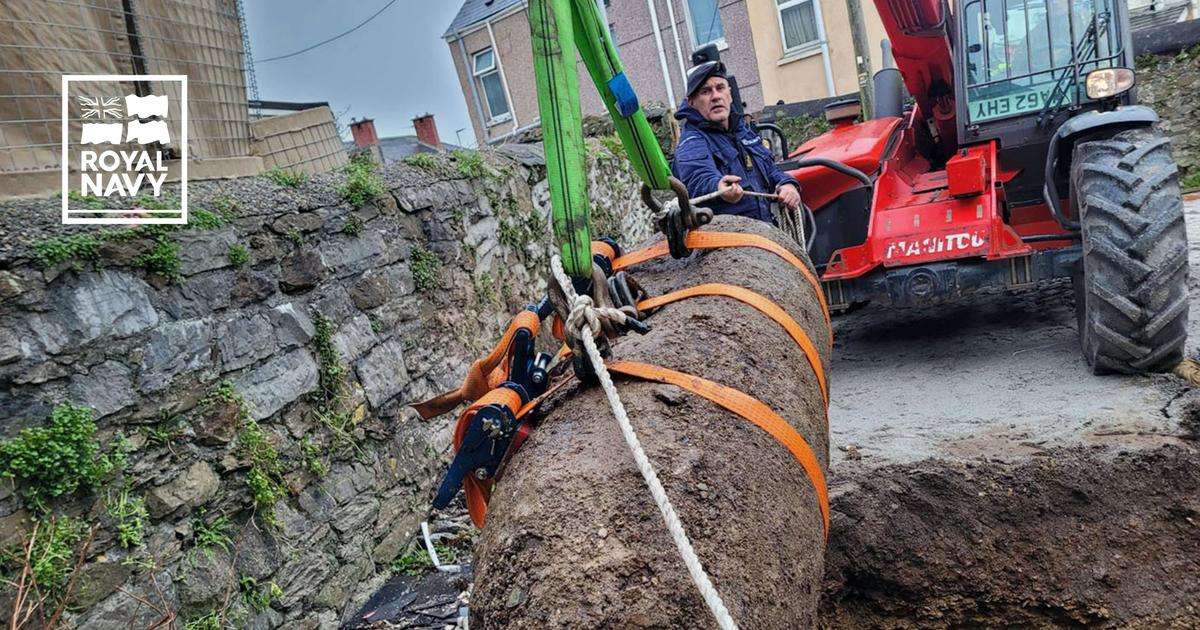
The unearthing of a 500 kg wartime bomb dropped by the Luftwaffe on Keyham in Plymouth during the Blitz led to one of the most complex operations in recent memory in February 2024. Over three days, the divers went beyond the regular call of duty to defuse the device, safely transport it by road and sea, and blow it up without causing any additional damage or injury.
The Keyham bomb operation was played out in the full glare of publicity given the scale of disruption caused in the city. Less highly publicized was Project Pongee, conducted over a week on the Gower Peninsula west of Swansea.
More than 275 items of unexploded chemical and high-explosive ordnance had surfaced on former MOD ranges—now a nature reserve visited by 3,000 people daily during the summer. In a painstaking week-long effort, the shells and ammunition were neutralized.
Among the most unusual—and remote—tasks involved joining patrol ship HMS Tamar and sailing to Pitcairn in the middle of the Pacific, where leftover demolition charges from the construction of the island’s tiny harbor built decades ago were degrading and endangering the few islanders, who had no means of dealing with the problem themselves.
With just a 48-hour window available to carry out the job—and austere conditions—much of the work was carried out, receiving widespread praise from Pitcairn folk.
And Bravo closed out 2024 neutralizing a 1,000 kg wartime bomb discovered on Southsea Common, which was transferred to the Solent and subsequently safely detonated.
These are just four distinct operations of the hundreds carried out by Bravo Squadron, but its Commanding Officer Lieutenant Commander Benjamin Brown said they were symbolic of the range of missions his men and women were expected to carry out—as well as the impact their work had on the public.
“The squadron’s work embodies the very spirit of the Firmin Sword of Peace: selfless service, protection of life, and humanitarian impact,” Lt Cdr Brown added.
“At home and abroad, Bravo Squadron demonstrates courage, professionalism, and compassion, standing as a genuine force for good.
“In combating a lethal explosive legacy, the squadron is eminently deserving of the award, recognizing its extraordinary and enduring contribution to peace and public safety.”
This is the 60th anniversary year of the Sword of Peace—originally awarded by Wilkinson and, since 2005, Firmin—which is presented to the Armed Forces ship, squadron, or unit that has done the most to save lives or acted as a humanitarian force for good, everything from search and rescue to evacuating civilians from war zones and assisting in the wake of natural disasters.