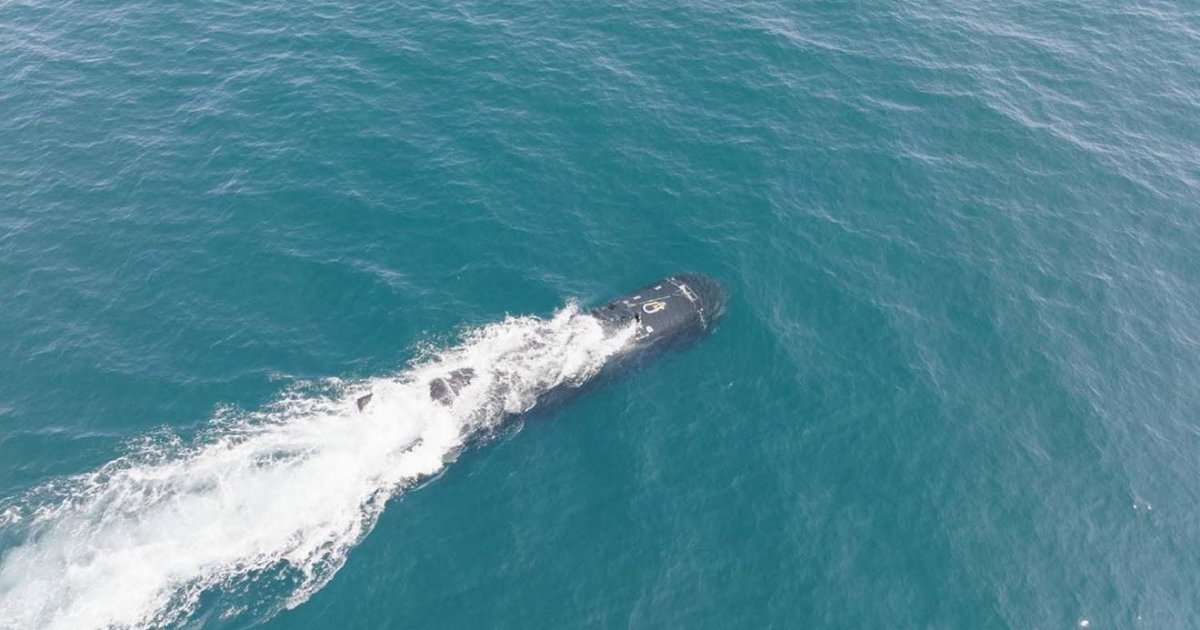
XV Excalibur, an Extra-Large Uncrewed Underwater Vessel (XLUUV), was adapted with a specialist management system to successfully fire and control a US Navy Mk48 Mod 4 Heavyweight Torpedo at the British Underwater Test and Evaluation Centre (BUTEC) near the Kyle of Lochalsh on the northwest coast of Scotland.
The trial became a reality in just six months and was completed as part of work under the AUKUS agreement between Australia, the UK, and the USA that is aimed at developing advanced military capabilities together, as well as acquiring nuclear-powered attack submarines for Australia.
This launch is the first in a series of trials initiated by the United States that will increase in scope and complexity, leading up to a live-firing against a target—ultimately aiming to get torpedo-launching uncrewed vessels on to operations around the world.
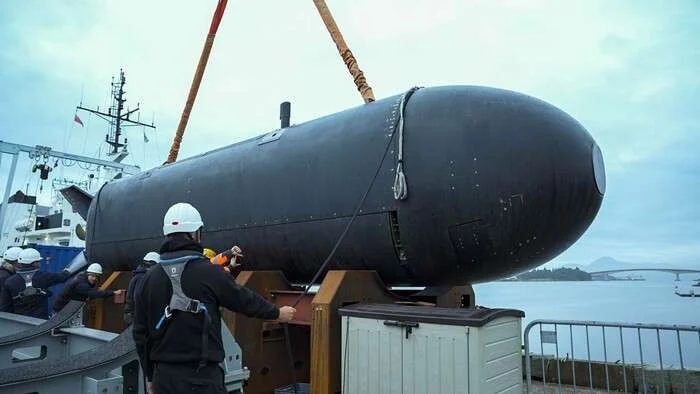
This particular trial in Scotland—codenamed Project Broadsword/Trial Iron—is the leading operational milestone of AUKUS Pillar 2 (which focuses on rapid capability development), aiming to provide the three allies with an uncrewed system capable of conducting undersea warfare operations without risking personnel.
The three-week experiment, completed by the Royal Navy in conjunction with the United States Navy, the UK’s Submarine Delivery Group Autonomy Unit, part of the UK’s Defence Nuclear Enterprise, as well as industry partners MSubs (who built Excalibur) and QinetiQ (who operate the BUTEC range), used an inert, recoverable version of the heavyweight torpedo.
Weighing over 1½ tonnes and nearly six meters long, the Mk48 is designed to destroy adversary submarines and warships and is in use with half a dozen navies around the globe.
Neither it nor the XLUUV was designed to be deployed in this manner but, through rapid integration and ingenuity, it shows that the US and Royal Navies can eliminate the need for costly and time-consuming bespoke vessels or systems to bring undersea combat power to bear.
General Sir Gwyn Jenkins, the First Sea Lord, said: “These trials mark a pivotal moment for AUKUS and show what the UK, Australia and the United States can achieve together. In just six months, British and American teams, supported by industry, have delivered a credible fighting capability—one that also shows just how far we have come with the Hybrid Navy. XV Excalibur is a powerful example of how uncrewed vessels, combined with our crewed warships and submarines, will deliver greater combat power beneath the waves, while also reducing the risk to our people.”
Lieutenant Commander David Iwanek, the UK Trial Director, added: “The importance of this achievement cannot be overstated—this paves the way for a step change in underwater lethality, and shows how Navy Capability is planning to deliver new capabilities to the fleet.”
Excalibur is a 12 m experimental vessel that entered service in May 2025 and is used to accelerate the Royal Navy’s use of advanced technologies, playing a vital role in the constant efforts to remain ahead of potential foes beneath the waves.
It is a key part of hybrid navy endeavors that mix traditional naval combat power with a network of uncrewed and autonomous systems.