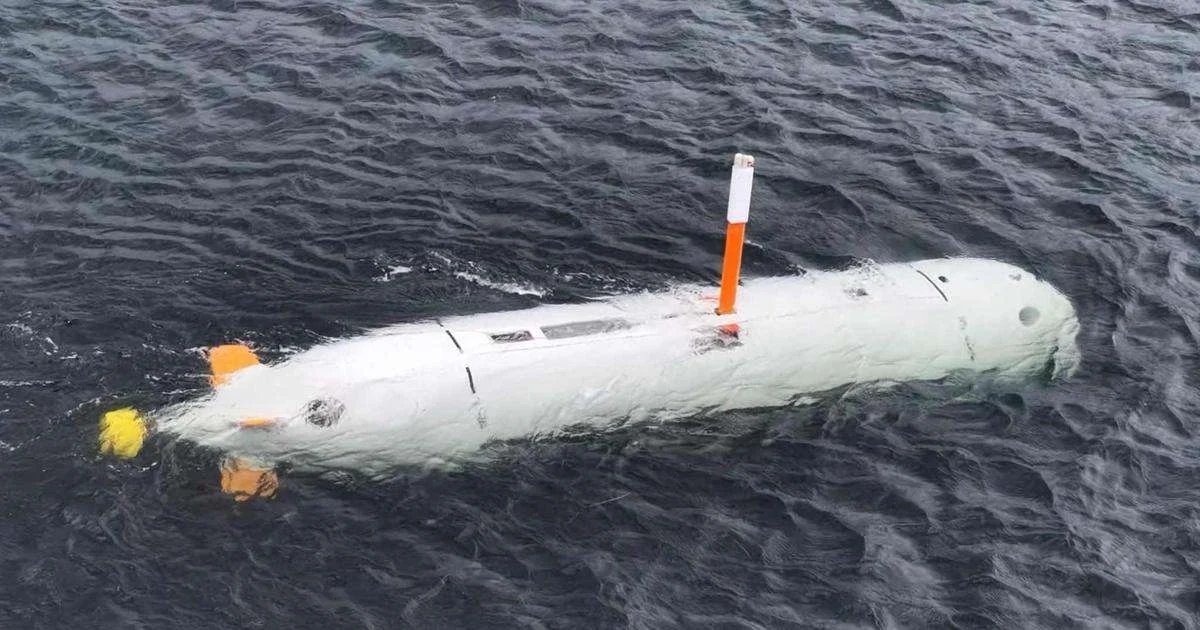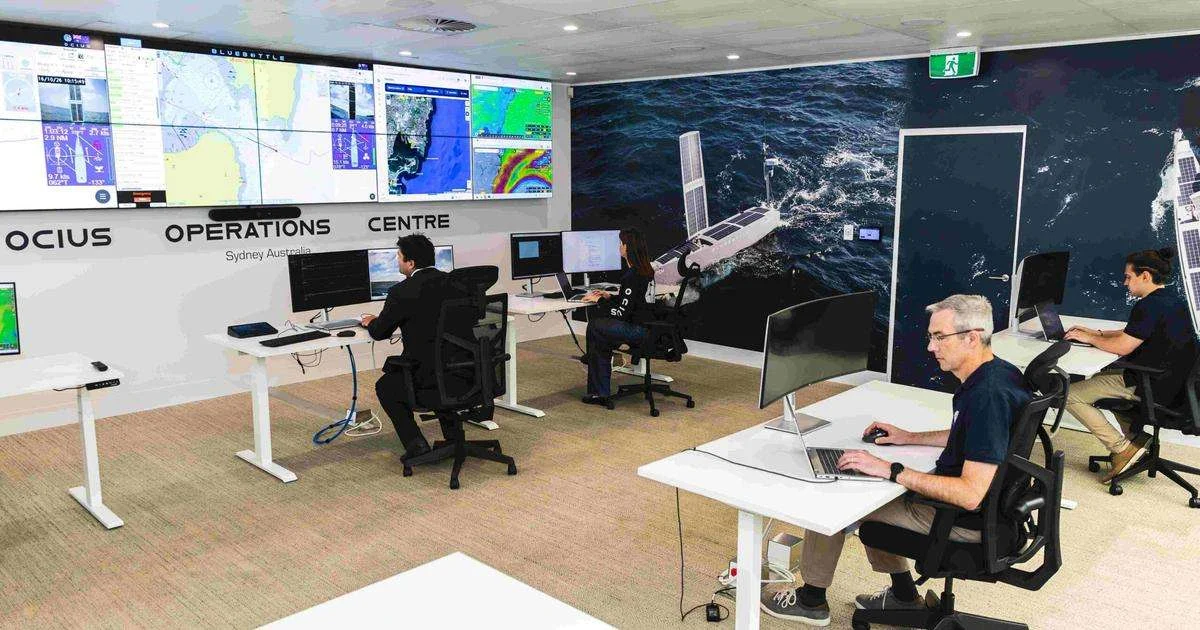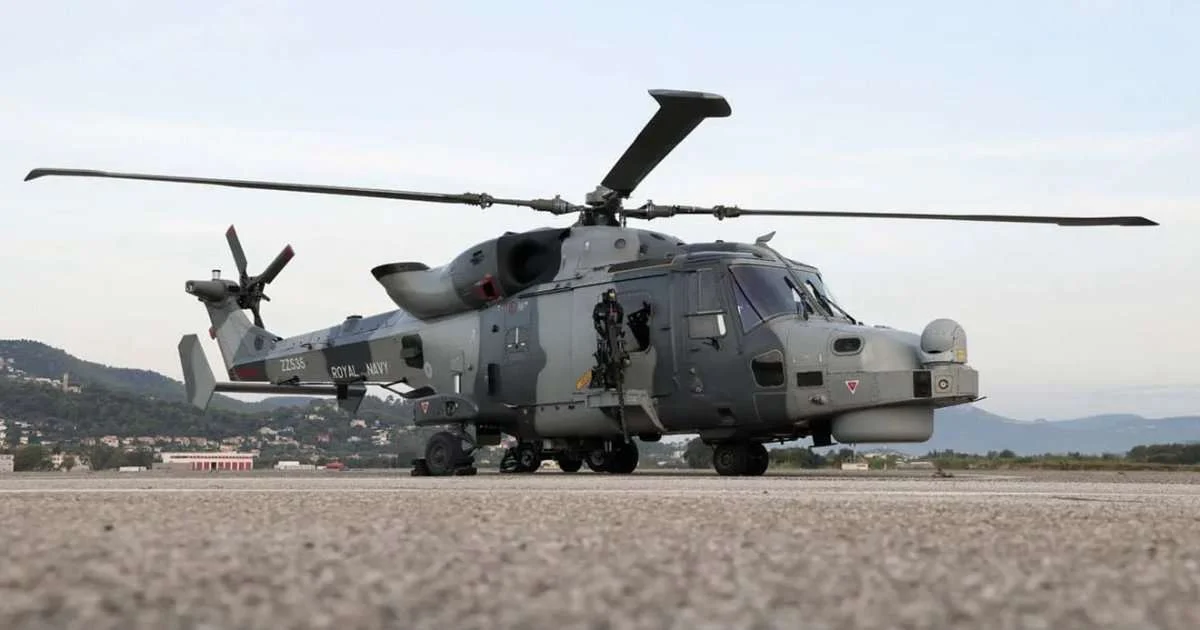

SYOS Aerospace deployed its SM300 and SM400 uncrewed surface vessels (USVs) and AAIMS autonomy systems at REPMUS 2026, spending three weeks working alongside military personnel from navies around the world. The company says the experience reinforced a shift in how success is measured for maritime autonomy: integration over the performance of any single platform.
Robotic Experimentation and Prototyping using Maritime Uncrewed Systems (REPMUS) is organized by the Portuguese Navy with NATO. This year’s edition took place off the Portuguese coast in September and, according to Syos, brought 36 navies and more than 300 uncrewed systems into the same waters. The company describes it as the world’s largest maritime robotics exercise.
Jamie Bennett, Chief Commercial Officer at Syos Aerospace, said the exercise was “the closest thing to operational conditions short of an operation.”
SYOS reports that its navigation and situational awareness systems performed strongly under real-world stress testing and that vessel reliability held throughout. The team connected the exercise’s main mission planner to the company’s radar intelligence, surveillance, and reconnaissance (ISR) suite, so contacts tracked by its USVs could be shared across common networks to support partners’ situational awareness.
Integration was a central thread. Syos worked with mission systems including Miraya, Hefring, IBM, and FACNAV, forwarding radar and video data to partners. The team also used the NATO STANAG protocol to overlay chart information on its ground control station and developed its camera user interface to enhance ISR.
Military personnel worked directly with Syos engineers, operators, developers, and researchers throughout the exercise, stretching and evaluating the company’s autonomy, identifying problems, and adapting capability together. According to the company, the exchange runs both ways: Syos gains a clearer view of the problems operators face, while defense users can shape emerging technology before it becomes finished capability.
What Navies Asked For
Across its conversations with participating navies, SYOS says four requests came up consistently. The first was the ability to keep operating when GNSS is jammed or denied. The second was counter-drone interceptors, so uncrewed vessels can help protect ships and infrastructure from drone threats. The third was integration into cross-domain command and control, making a USV part of the wider force picture. The fourth was open architecture, backed by engineering teams able to integrate different payloads quickly.
The list points to navies planning for contested environments rather than permissive ones. GNSS resilience and counter-drone roles assume an adversary is actively interfering, while the emphasis on command and control and open architecture signals that buyers are evaluating USVs as nodes in a networked force rather than as standalone assets.
For SYOS, that was the core lesson of REPMUS 2026. Success, the company says, is now defined less by what a single platform can do and more by how effectively capability can be integrated, orchestrated, and scaled to achieve mission outcomes.