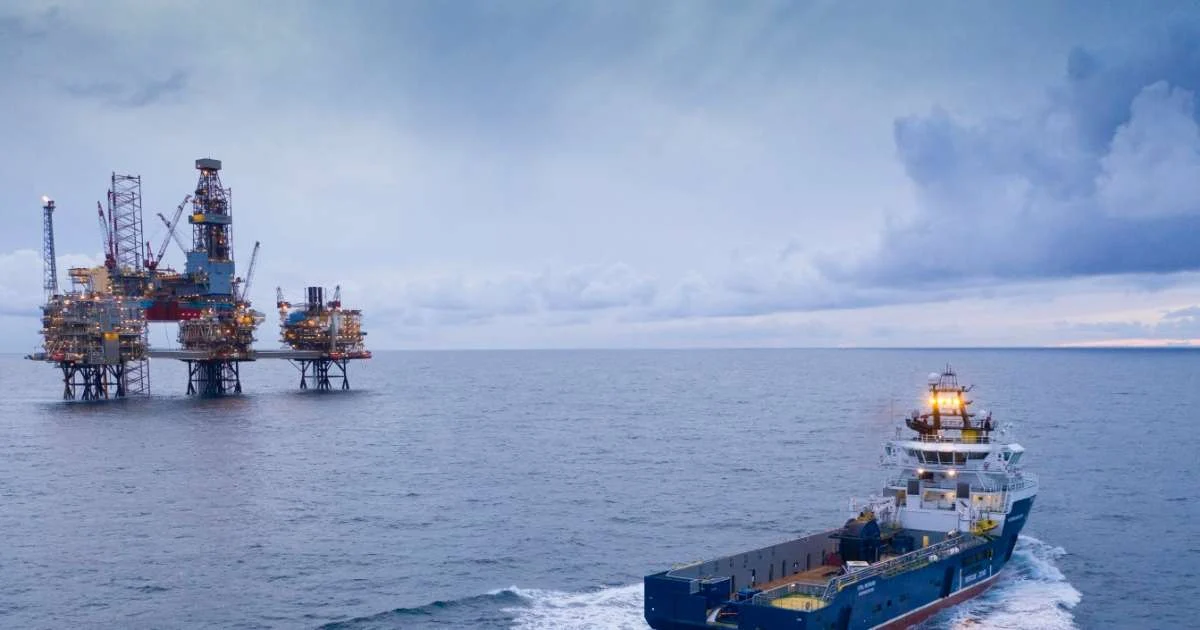
When production started in 1986, few envisioned that Ula would still be operating 40 years later. New solutions, including water and gas injection, have contributed to increased recovery and extended the field’s lifetime. The resource estimate for the field is now three times higher than the original estimate.
Behind the technology and production, it is above all the people who have worked on and with Ula through several generations.
“The Ula journey is a story we have every reason to be proud of. It is of course about technology and value creation, but most of all about people. About teams who over 40 years have solved demanding tasks, developed new solutions and constantly worked to make Ula a little better,” said Talar Arif, Director for Ula at Aker BP.
Ula has now entered its late phase, and the plan is to cease production in 2028. At the same time, work to preserve the history is already underway.
Aker BP and the Norwegian Petroleum Museum are collaborating on Industrial Heritage Ula, a project that aims to document and communicate the field’s history. The museum has experience with similar documentation of selected fields on the Norwegian continental shelf.
The project aims to preserve the knowledge, experiences, and stories of the people who have taken part in the Ula journey, even after production has ended.
“Ula has been a workplace and a community for a great many people. That is why it means a lot to us that the story does not disappear when production stops. The Ula family and what we have created together deserve to be remembered and shared,” said Arif.
The 40th anniversary is both a celebration of what Ula has achieved, and a reminder of the tasks that still lie ahead for the organization.
“We are proud of the story, but we are not finished. Now we aim to deliver the final part of the Ula journey safely and efficiently, with the same professionalism, team spirit and pride that have characterized Ula over 40 years,” said Arif.