The joint industry project (JIP) is supported by several energy companies, including TotalEnergies and Equinor, plus independent research institute SINTEF Energy Research.
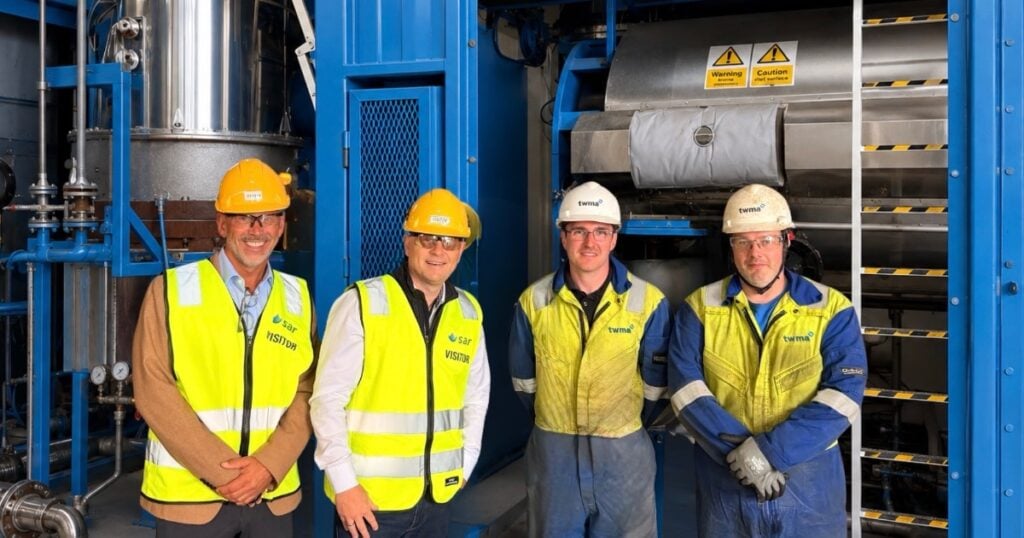
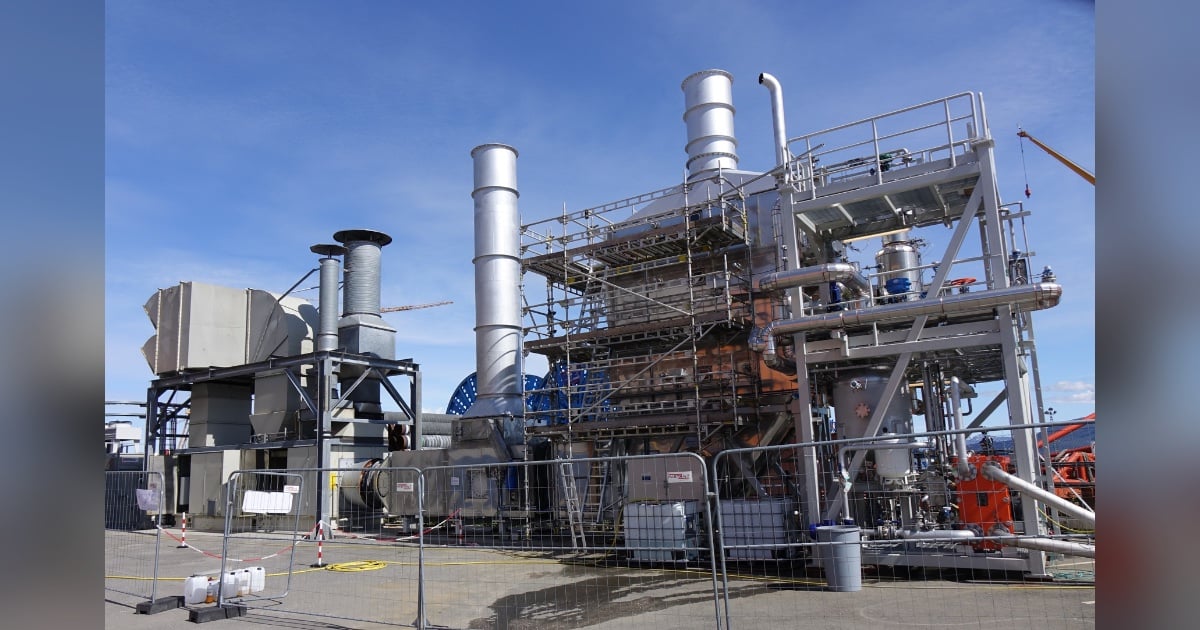
Following receipt of innovation funding from the Norwegian Research Council in 2024, the JIP has built a lightweight, compact once-through steam generator (COTSG) that has now been tested at Sustainable Energy’s test center for new and green energy carriers at Stord, Norway.
The backdrop for the JIP is R&D which has proved that implementing gas turbine combined cycle solutions on floating and fixed offshore installations results in 22–25 percent reduction in CO2 emissions compared to conventional gas turbine solutions. Reducing fuel consumption and CO2 emissions by 25 percent is the equivalent of cutting emissions between 50,000 and 150,000 tons annually per combined cycle power plant installation.
The project has tested the COTSG as a core component of offshore combined cycle power plants. The combined cycle is a heat and power solution where heat from the exhaust of the gas turbines is used to generate superheated steam. The steam is then used to produce additional power in a steam turbine.
The challenge with current OTSG solutions is the weight and size of the heat recovery equipment, which encounters already constrained deck space and weight capacity on offshore oil and gas installations.
“The JIP set out to design, build and test an OTSG that is lighter and smaller than current solutions, enabling it to be installed on even more offshore installations. We have previously achieved the two first objectives of making it lighter and smaller, thereby more competitive. We have over the past few months tested the generator to ascertain its robustness and thereby fully verify its commercial potential,” said Pål Kloster, CTO at Techouse.
Over the past couple of months, the full-scale COTSG was tested with regards to performance, vibrations, and fatigue, including thermal fatigue. It was stress tested under cyclic loading. The purpose was to see if it can handle the minimum 30-year lifecycle it has been designed for.
“The test has delivered positive results against the key test parameters, and we are now proceeding with a comprehensive analysis of the logged test data,” added Pål Kloster.
The plan is to launch the COTSG as a commercial product toward the latter part of 2026.
Post testing, Techouse also aims to develop new projects that are integrated with carbon capture technology on an offshore platform.
“The infrastructure we are currently developing is intended to be leveraged for carbon capture applications too,” said Pål Kloster.
Techouse designs, engineers, and manufactures heat recovery solutions for offshore applications and complete customized water treatment packages for current and new energy markets. The company is headquartered in Stavanger, Norway, and has additional offices in Norway, China, Scotland, and Vietnam.