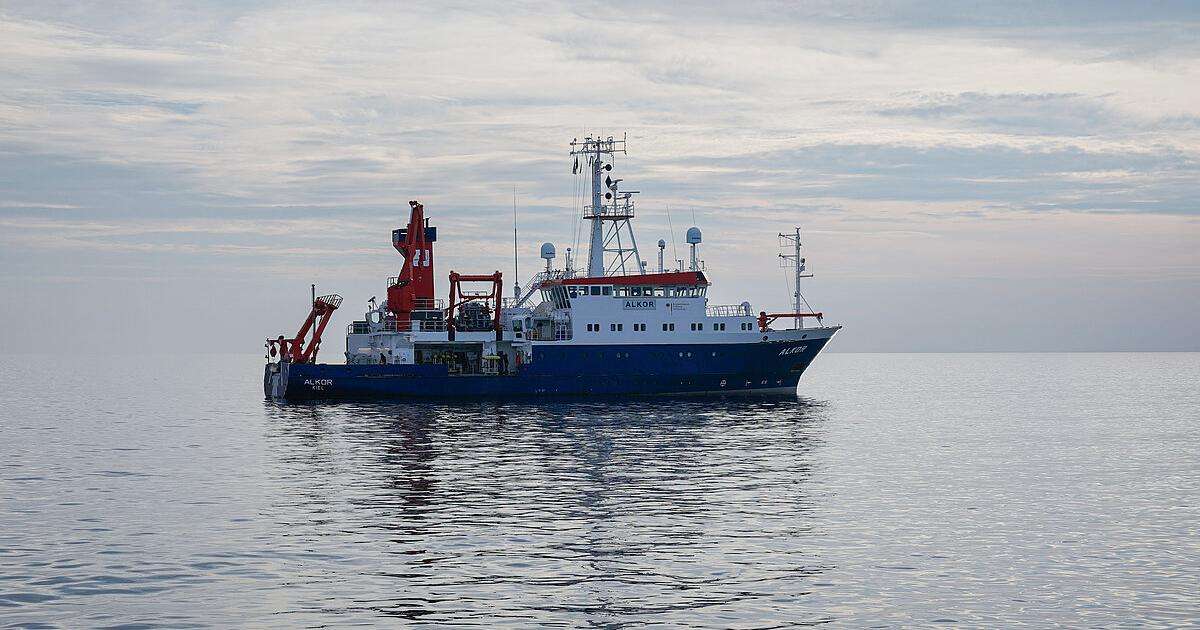
How do dumped munitions affect the Baltic Sea? What technologies can help to safely identify dumped munitions? And what effects do the initial clearance operations have on the environment? GEOMAR Helmholtz Centre for Ocean Research Kiel is investigating these questions through three coordinated research expeditions. This week, the third AL663 (COMMS-26) expedition set sail from Kiel into the Baltic Sea aboard the research vessel ALKOR. Until November 4, 2026, researchers will be investigating the environmental impacts of marine munitions in collaboration with international partners from Poland, Estonia, Latvia, Denmark, and Finland.
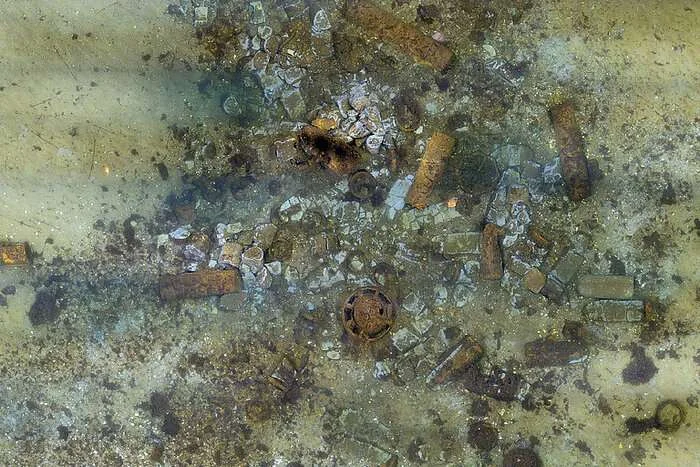
Hundreds of thousands of tonnes of munitions on the seabed of the Baltic Sea are the dangerous legacy of the world wars. For 10 years now, GEOMAR has been investigating where these munitions are located and what condition they are in after decades in salt water. This is laying the scientific foundations for the safe management of munitions contamination. Through three coordinated research cruises, the research is being extended to Baltic Sea areas in neighboring countries. Yesterday, the third expedition set sail from Kiel aboard the research vessel ALKOR.
During the 24-day research voyage AL663 (COMMS-26), the researchers are investigating various sites suspected of containing munitions and areas where contamination with conventional or chemical munitions is known or suspected. The focus is on questions such as how marine munitions affect the marine environment, how risks to ecosystems can be better assessed, and which measurement and mapping technologies can assist in the identification and assessment of abandoned munitions in the future.
In addition to GEOMAR, partner institutions from Poland are taking part in the expedition, whilst other partner institutes in the MUNI-RISK project are based in Denmark and Finland. The expedition will travel through the central and eastern Baltic Sea as far as Estonia and Latvia. This collaboration helps to harmonize data, methods, and assessment approaches across the Baltic Sea region. This is because historical munitions contamination is not a local problem: dumping sites, transport routes, and ecological impacts transcend national borders.

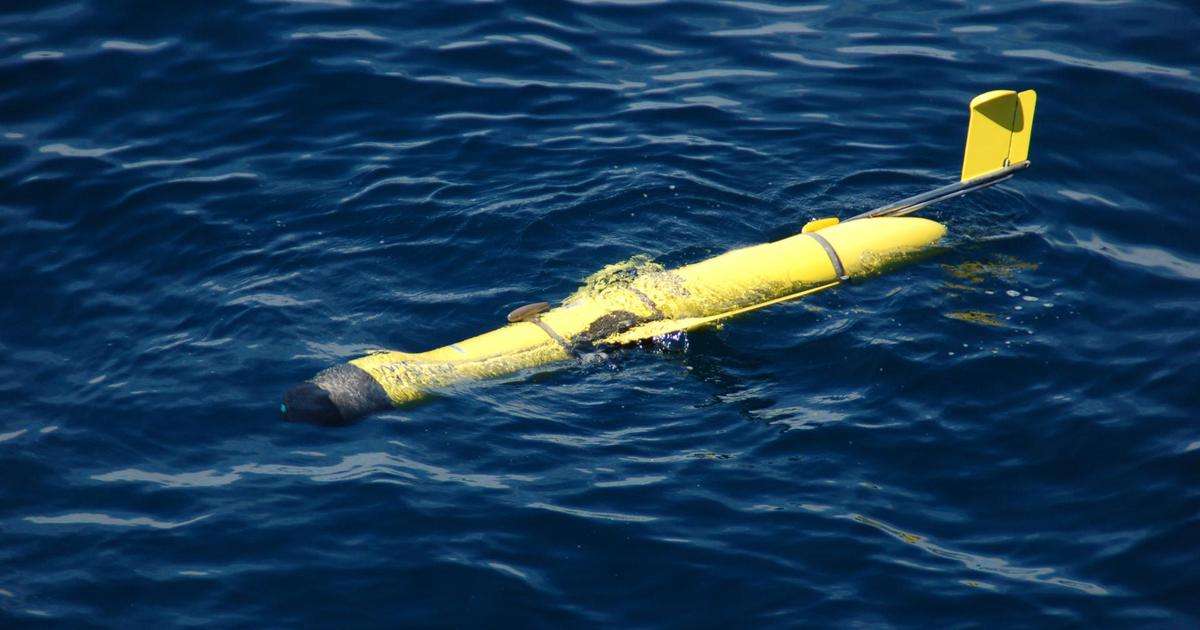
The expedition will utilize autonomous and remotely operated underwater vehicles, as well as various acoustic, optical, and geochemical measurement techniques. These are used to map the seabed, document suspicious objects in high resolution, and facilitate the targeted collection of water and sediment samples. In addition, a new monitoring buoy is being tested, which is intended for use in future clean-up operations (in collaboration with the EU-funded CAMMera project).
“In Germany, we are on the verge of a large-scale clean-up—this is a success story that is unique worldwide,” says expedition leader Prof. Dr. Jens Greinert, a marine geologist and head of the Deep Sea Monitoring research group at GEOMAR. The contract to develop and build a largely automated recovery platform has only just been awarded; it is due to be deployed initially in the Bay of Lübeck from 2029.
“This positive development is based on continuous scientific work and cooperation with political and business sectors in Germany, and in Schleswig-Holstein in particular. In collaboration with our Baltic neighbors, we would now like to build on this success story.”
Creating the data foundation for this—that is what the expedition is all about. Jens Greinert: “Only if we know what it actually looks like down there can we realistically assess risks and develop appropriate measures. We will also be welcoming representatives from industry and government departments aboard the ALKOR, who are interested in our technologies and also wish to learn about the latest findings. Port calls in Ventspils and Gdynia are planned for this purpose.”
Another key focus of the expedition is the question of how trial recoveries off the coast of Schleswig-Holstein affect the marine environment in the long term. In recent years, various approaches to the recovery of obsolete munitions have been tested in Lübeck Bay. The scientific monitoring is intended to determine whether and how concentrations of pollutants, sediment conditions, and biological communities change following clearance activities.
The expedition supports several national and European research initiatives on dealing with marine munitions. The findings are intended to help assess risks to people and the environment more accurately, further develop technical solutions, and provide a scientific basis for political and regulatory decision-making processes in the Baltic Sea region.
“The Baltic Sea is heavily contaminated with legacy munitions; this applies to all coastlines,” said Greinert. “That is why we need reliable data, common standards, and close cooperation across national borders.”