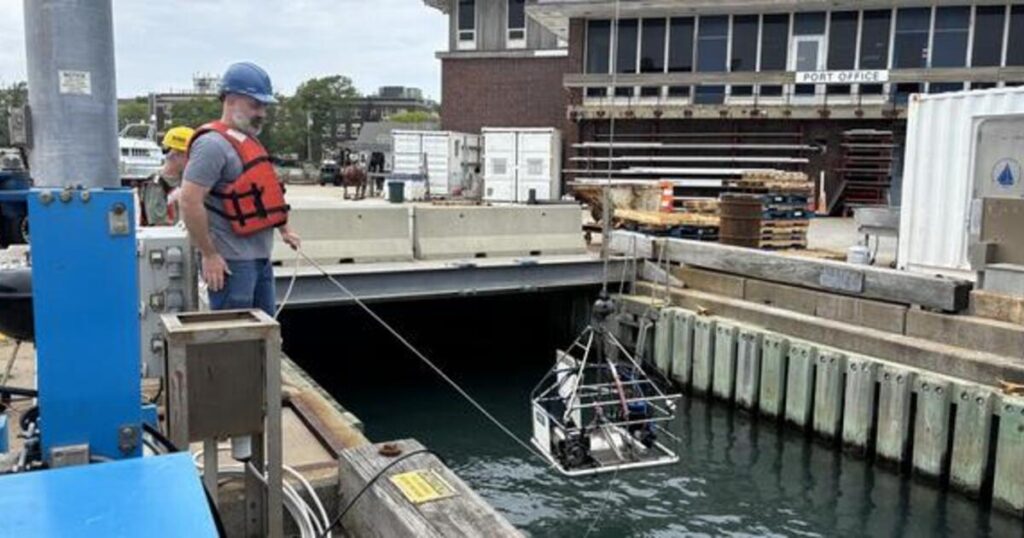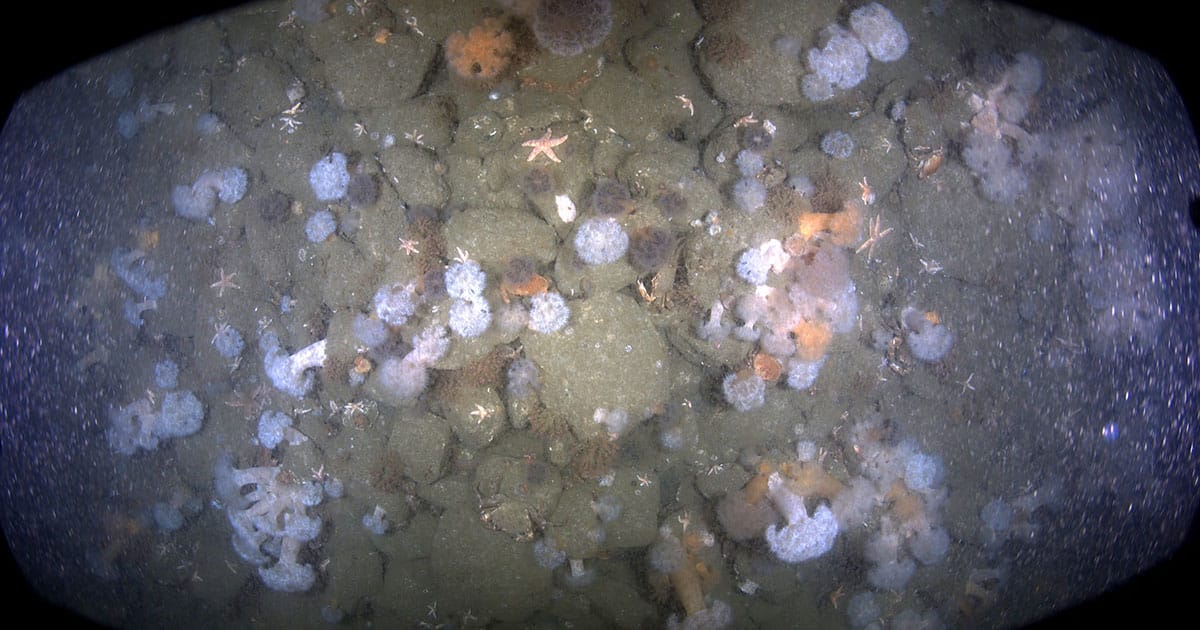
Together, the BeWild partners integrated computer vision and environmental DNA (eDNA) sampling into Fugro’s Blue Volta® electric remotely operated vehicle (eROV). This system was deployed from its Blue Essence® uncrewed surface vessel (USV), with both USV and eROV controlled from Fugro’s remote operations center in Aberdeen.
Dan Smith, BeWild Manager, explained: “This survey provides a glimpse into the future of offshore ecology monitoring. By delivering high-quality data remotely, we’re not only reducing operational costs and environmental impact but also enabling our clients to gain unprecedented insights into the health and biodiversity of their offshore assets. We’re incredibly excited about the potential this technology holds for the sustainable development of offshore wind energy.”
Pauline Roos, CrossWind’s Marine Ecologist, said: “At CrossWind, we are excited to combine remote asset inspections with ecological monitoring of our nature-inclusive scour protection measures. By combining the two, we can be more efficient with our resources offshore, ultimately making it safer for people. We look forward to seeing the results of these surveys.”
Renate Olie, Marine Ecologist at The Rich North Sea, said: “In this survey, we explore how regular offshore inspections can integrate ecological monitoring. By using autonomous technology and different survey techniques, we get a better understanding of marine biodiversity around wind turbines. By combining offshore wind energy with nature enhancement, we work towards a thriving and biodiverse North Sea.”
This survey marks the first of four research and development assessments at CrossWind under the BeWild project, supported by a Mission-driven Research, Development and Innovation (MOOI) subsidy from the Dutch Enterprise Agency (RVO).