Energy independence is high on the agenda worldwide. This requires not only sufficient energy generation, but also infrastructure that can efficiently transport electricity. That is why Jan De Nul is significantly expanding its capacity to install and protect subsea energy cables. These cables are crucial to bring offshore energy ashore and to connect electricity grids. This enables electricity to be transported efficiently from where it is generated to where it is needed.
Five New Vessels Under Construction
With this latest order, Jan De Nul currently has five vessels under construction for the installation and protection of subsea energy cables. These include two XL cable-laying vessels, an XL rock installation vessel to protect the cables, and now two vessels designed to safely bury cables in the seabed.
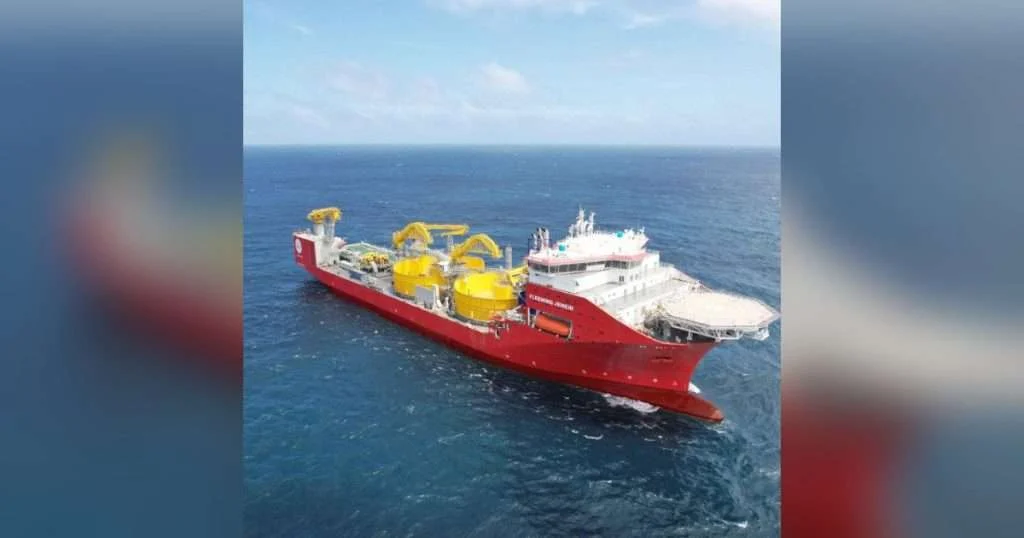
Wouter Vermeersch, Director Subsea Cables Offshore Energy at Jan De Nul: “Our two new cable-laying vessels will soon enter the market. The Fleeming Jenkin has completed her first sea trials and is now in the final construction phase. The William Thomson will follow shortly. The investments in vessels that can protect these cables at the same pace are a logical next step. Last year, we already announced the order of the rock installation vessel George W. Goethals, which protects cables and other energy infrastructure with a layer of rock. With the Isambard K. Brunel and this new sister vessel, we are also adding two vessels for burying cables in the seabed. This will bring our fleet to a total of 14 vessels for the installation and protection of subsea cables.”
Ultra-Low Emission Technology
Like all recent vessels of Jan De Nul, the new vessel will be equipped with ULEv technology, short for Ultra-Low Emission vessel. This technology filters up to 99% of nanoparticles from exhaust gases and reduces the amount of polluting substances. The vessel’s engines can run on biofuel, lowering CO2 emissions. In addition, the vessel and her engines are prepared for future operation on methanol.
Subsea Robots
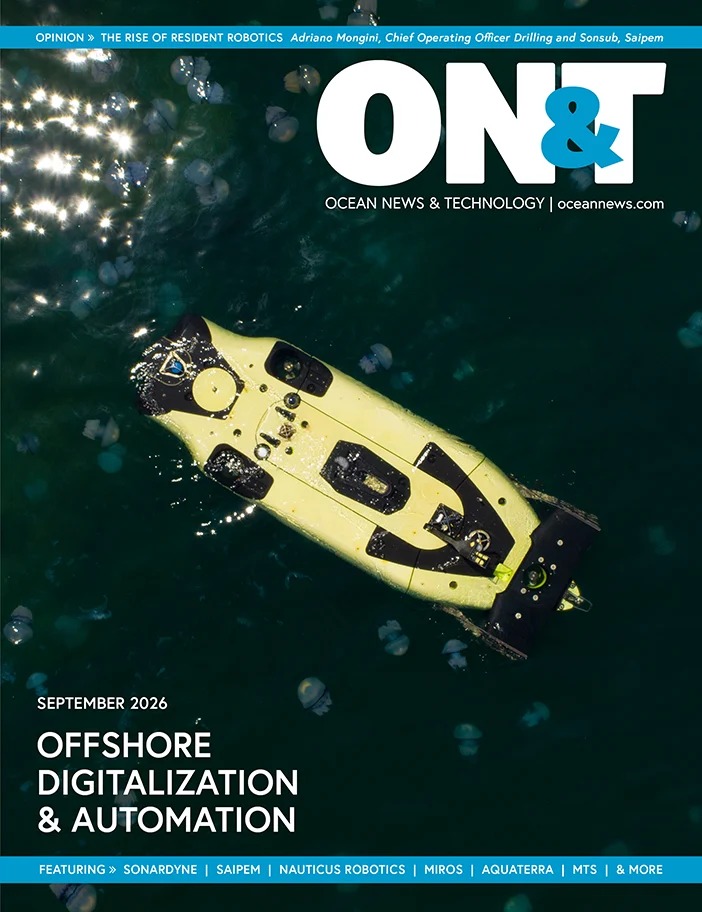
The Isambard K. Brunel and her new sister vessel are trenching support vessels, each equipped with a trencher. These state-of-the-art subsea robots bury cables in the seabed. The crew operates the robots from the deck, enabling them to bury cables in the seabed up to five meters deep.
Sixth Vessel Under Conversion
Finally, Jan De Nul is also working on the conversion of an existing vessel, the Henry Darcy. She is being converted from a water injection dredger into a compact trenching support vessel. The new Henry Darcy will carry a subsea robot, the Crayfish, specialized in burying cables in shallow water.