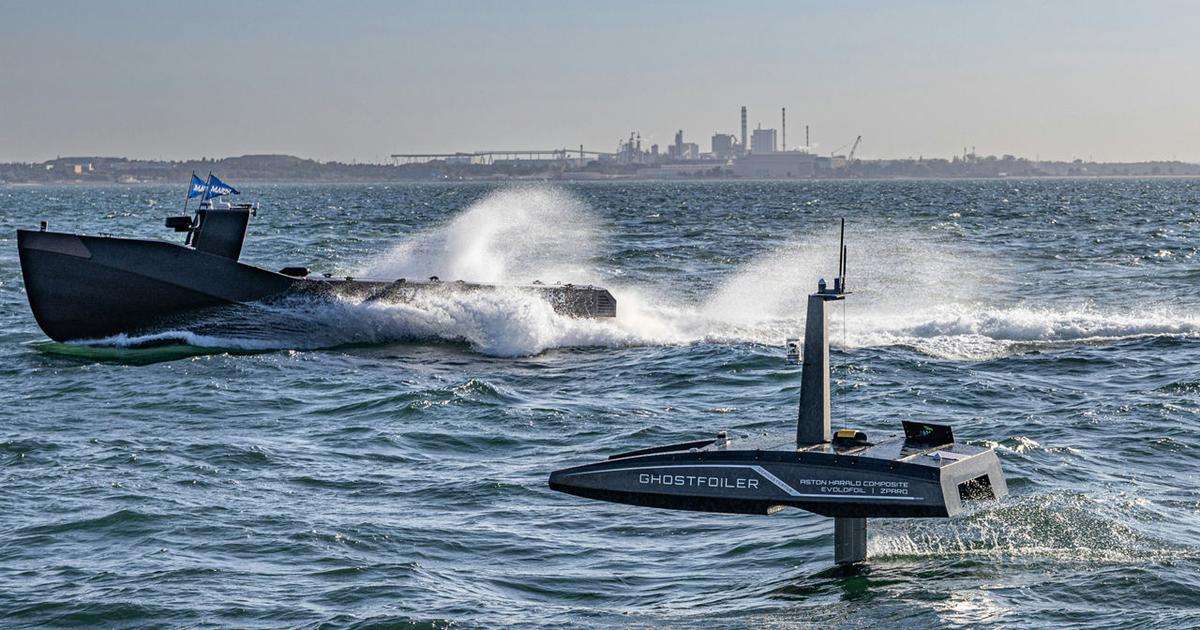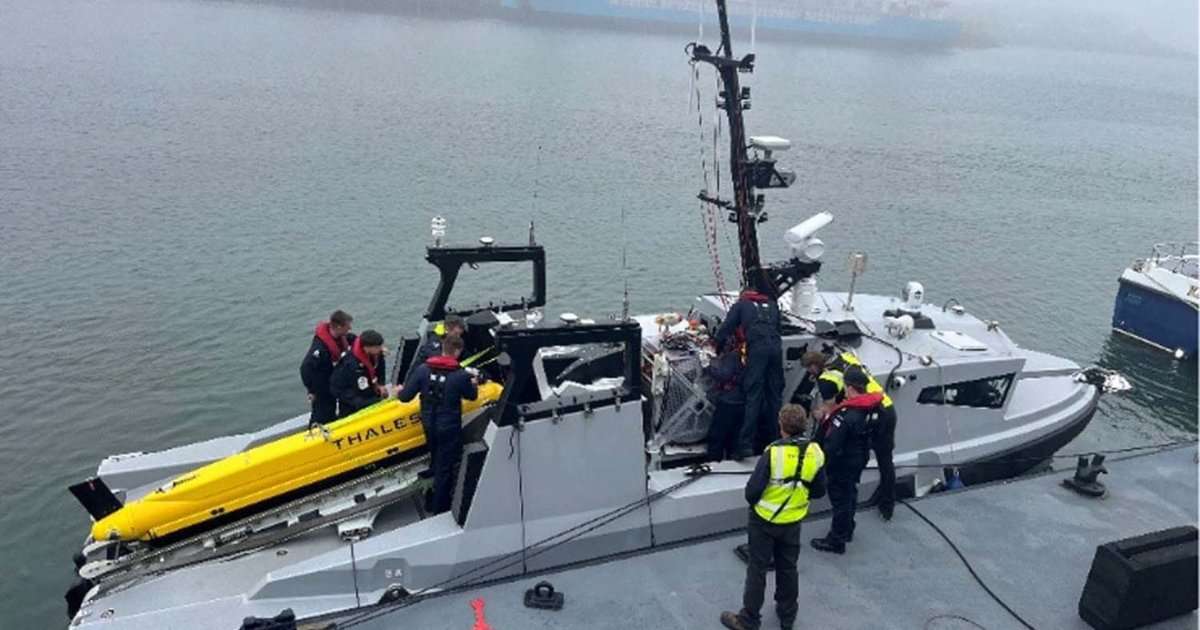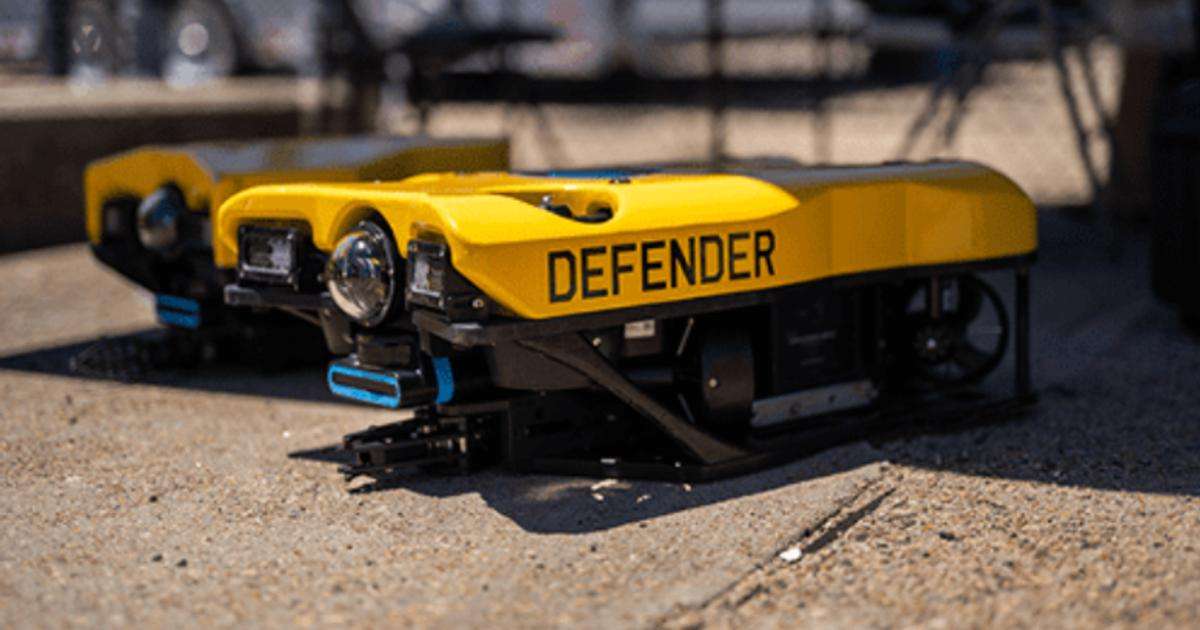
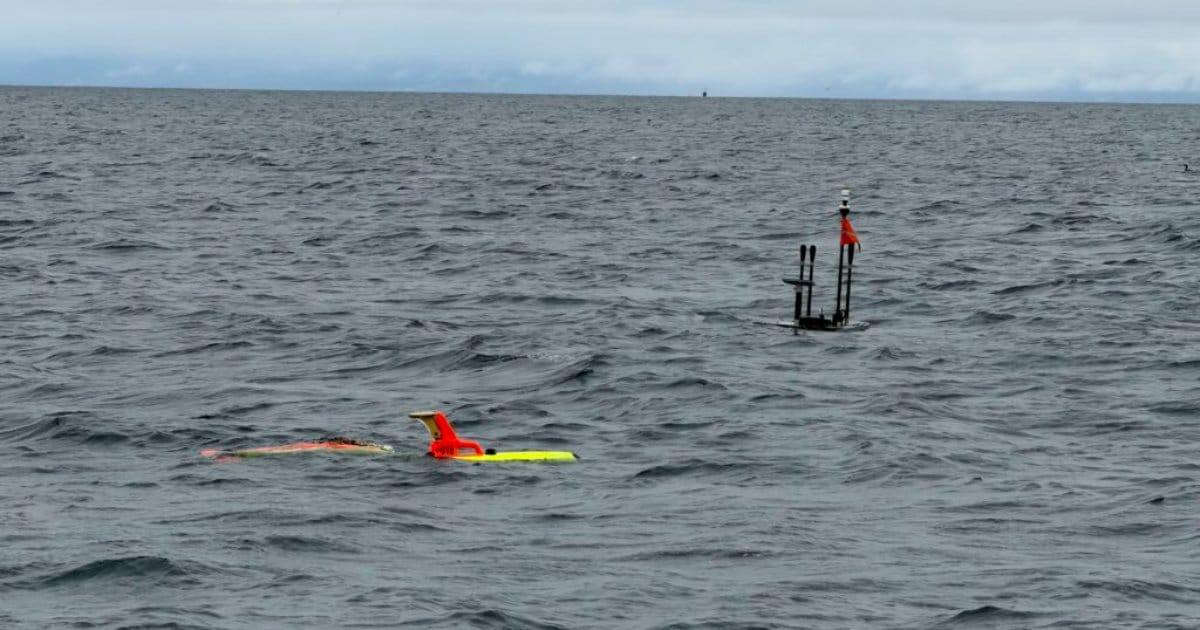
The demonstration, which took place concurrently in Monterey, California and Little Creek, Virginia, brought together Bedrock’s autonomous underwater vehicles and subsea intelligence capabilities, Liquid Robotics’ Wave Glider® uncrewed surface vehicle, and Integer’s DIGIT UxV mission assurance software to present persistent subsea sensing, safer standoff operations, and faster mission decisions in denied or restricted communications environments. Together, the technologies turned a multi-vehicle subsea mission into a connected operation that could be monitored and managed from shore.
“Bedrock is building autonomous ocean intelligence infrastructure that can be deployed rapidly and operated at fleet scale,” said Colin Corridan, Head of Government & Defense at Bedrock. “This demonstration showed that our AUVs can operate as part of a connected mission architecture that delivers the right insights to decision-makers while the mission is still underway. That combination of autonomous collection, persistent awareness and speed to insight is essential to protecting Critical Undersea Infrastructure.”
At LANTERNFISH 26, the companies demonstrated the capability through a representative critical undersea infrastructure protection scenario:
- Bedrock autonomous underwater vehicles (AUVs) conducted persistent intelligence surveys of the seafloor and representative infrastructure, establishing an initial baseline and later detecting a newly introduced change in the undersea environment.
- Throughout the mission, Integer’s DIGIT UxV maintained operational digital twins reflecting vehicle performance, mission status, energy margin, subsystem health, and relevant environmental conditions. Rather than continuously transmitting large volumes of raw data, DIGIT generated compact synchronization updates containing the mission-critical information operators needed to understand the vehicles’ current state and ability to complete the mission.
- Those updates were transmitted acoustically from the undersea vehicles to a Liquid Robotics Wave Glider operating at the surface. The Wave Glider served as a persistent communications gateway, relaying the updates through satellite communications to shore-based maritime operations environments.
- DIGIT then synchronized the shore-based operational digital twins and federated mission information into TAK-enabled government systems, including Maven Smart System (MSS).
The approach allowed operators to maintain mid-mission awareness while the AUVs remained submerged and communications were constrained. Reducing the amount of data transmitted through the water also supports shorter acoustic transmissions, lower vehicle energy use, and reduced exposure of the vehicles’ positions, while decreasing dependence on a nearby crewed support vessel.
“Persistent maritime autonomy depends on a communications architecture that can remain with the mission,” said Jimmy Board, Head of Business Development at Liquid Robotics. “Our Wave Glider serves as the critical bridge between the subsea vehicles and shore-based operators. This demonstration showed how a proven, long-endurance uncrewed surface platform can extend communications, move mission-relevant information and help enable collaborative autonomous operations without the cost and risk of keeping a crewed vessel on station.”
The demonstration also validated operational digital-twin synchronization, federation into TAK servers, and a pathway for bringing the capability into secure government operational environments. These accomplishments provide a foundation for scaling the architecture across larger fleets of autonomous maritime systems.
“This demonstration showed what is possible when autonomous platforms, resilient communications and mission assurance software are designed to operate as one system,” said Josh Knight, COO and Co-Founder of Integer. “When an autonomous vehicle is below the surface, operators need a trusted understanding of what the vehicle can accomplish based on its health, energy, environment and mission progress. By moving the right information across constrained networks, DIGIT can give Navy operators greater confidence and decision advantage without requiring a crewed vessel to remain directly overhead.”
LANTERNFISH 26 highlighted the critical role of industry by bringing diverse technologies from multiple partners into a single distributed environment. The exercise gave the US Navy, UK Ministry of Defense explosive ordnance disposal units, Royal Australian Navy UUV Operators military operators, and defense technology companies a practical venue to rapidly integrate systems, apply recent operational lessons, and evaluate emerging commercial concepts in realistic mission conditions. The event demonstrated how industry-developed technologies can help allied forces move faster, operate together more effectively, and build a clearer path toward future undersea capability.
Integer, Bedrock, and Liquid Robotics will continue evaluating opportunities to mature the integration, expand multi-vehicle operations, and support future Department of War and US Navy demonstrations. The companies identified applications across critical undersea infrastructure protection, persistent sensing, maritime domain awareness, and other missions requiring trusted autonomous operations in communications-constrained environments.