Operation Iceblast saw four Royal Navy Merlin Mk2 helicopters and around 90 sailors deploy from RNAS Culdrose to HMS Gannet in Scotland, conducting anti-submarine warfare training, supporting HMS Agamemnon’s maiden dive trials, and working alongside NATO partners during Exercise Strike Warrior.
The detachment from 824 and 814 Naval Air Squadrons spent a busy couple of weeks operating from Gannet, for a long time the hub of RN Search-and-Rescue operations north of the border.
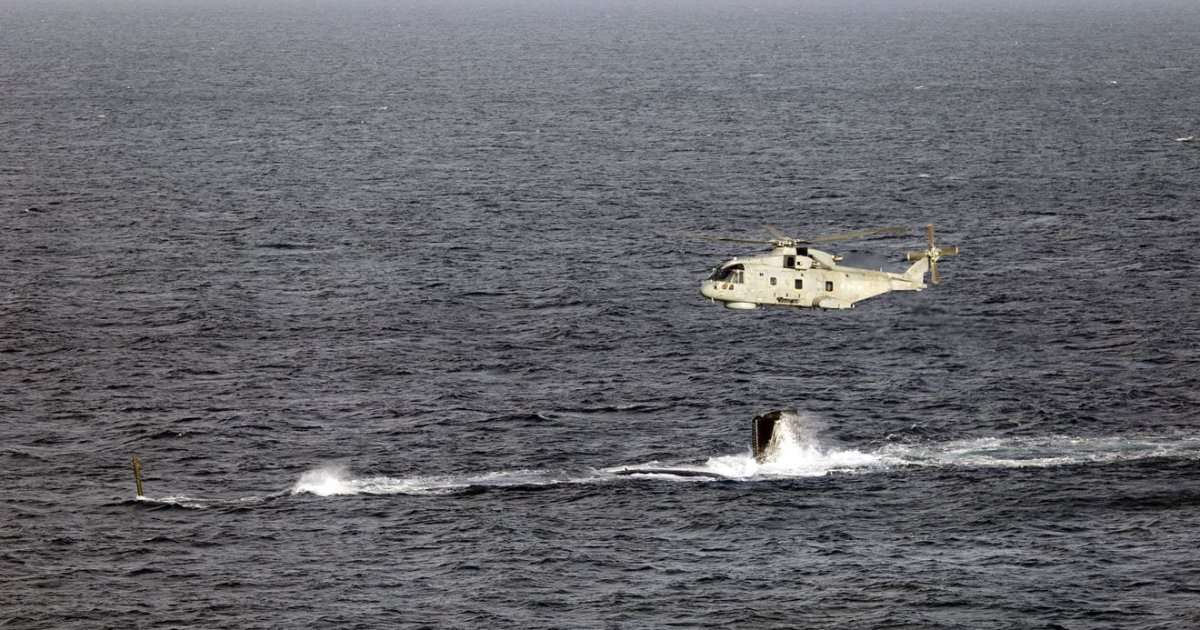
The crews oversaw the arrival of the navy’s latest Astute-class submarine HMS Agamemnon into HM Naval Base Clyde. The Merlin sub-hunters then used their dipping sonar to track the hunter-killer submarine during dive test trials.
The aviators also worked with NATO, including Norwegian and German forces, during Exercise Strike Warrior, the large-scale workout for the UK Commando Force which has just ended in Scotland.
This included providing search and rescue watch for Royal Marine commandos as they practiced boarding operations with the German supply ship FGS Berlin.
Further operations enhanced their ability to continuously monitor strategic areas of the North Atlantic.
“Operation Iceblast demonstrated exactly what Culdrose and Merlin Helicopter Force are designed to do,” said Captain James Hall, RNAS Culdrose’s Commanding Officer.
“That is to deploy at short notice and deliver warfighting readiness from a forward location with a world-class anti-submarine warfare capability—whenever and wherever it is required.”
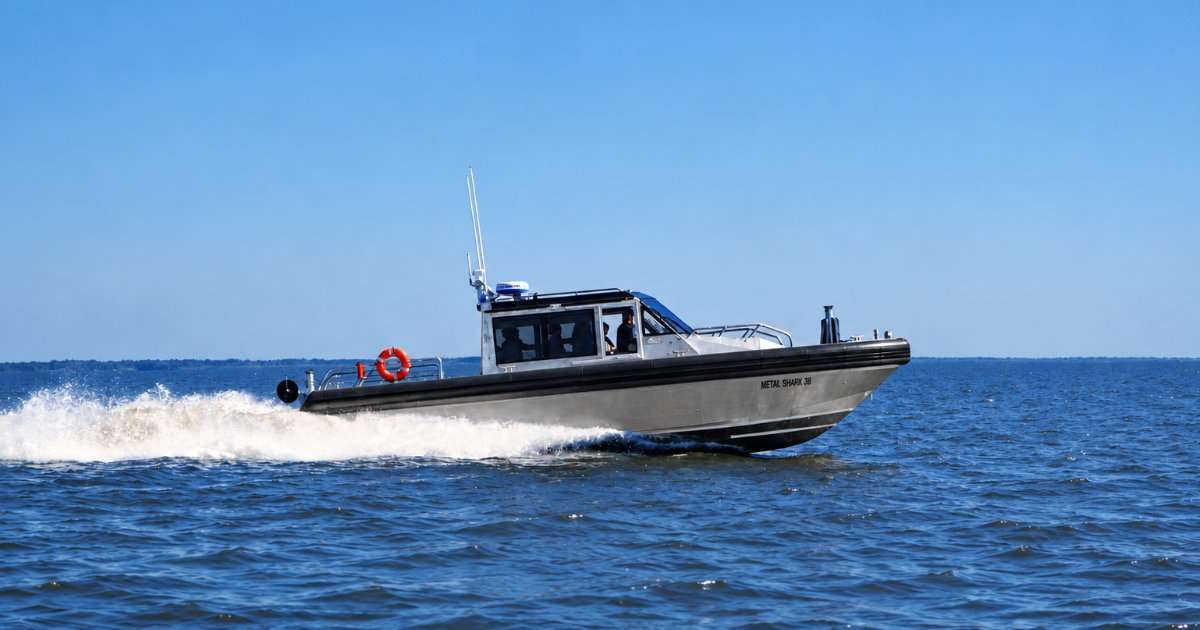
The Merlins worked in parallel with a drone team from Culdrose’s 700X Naval Air Squadron, who provided additional security around the Clyde to protect the UK’s submarine force.
Captain Hall added: “This exercise tested our ability to operate across multiple sites simultaneously. Together, these activities demonstrated the agility, readiness and professionalism of our personnel.
“The strategic environment demands constant vigilance. Operational deployments such as Iceblast ensure that our people, aircraft and support teams remain ready to protect the UK’s interests, contribute to NATO security alongside our Norwegian partners, and provide the capabilities required to support the nation’s nuclear deterrent.”
He said the exercise was designed to assess the air station’s readiness to deploy and sustain anti-submarine warfare operations away from its home base near Helston.