“TWEL has delivered significant emission reductions from the Troll area. At the same time, we have undertaken a new overall assessment of the remaining part of the project. We believe this is the best solution when balancing emission reductions, energy deliveries and value creation,” said Trond Bokn, Senior Vice President, Project Development, Equinor.
The partnership’s decision is based on a comprehensive assessment of how key assumptions have changed since the PDO was approved in 2021. When the project was sanctioned, a temporary loss of capacity on Troll C could be compensated for by increased production from Troll A. Since 2023, the Troll field has been producing at maximum capacity throughout the year. As a result, the importance and value of available compressor capacity on Troll C have increased significantly compared with the assumptions underlying the original project decision.
Installing the second electric export compressor would have required an extensive modification period, resulting in reduced production from Troll C for up to 21 months. At the same time, the compressor would only have been needed until demand is expected to cease in the mid-2030s, while Troll C is expected to remain in operation until around 2050. Following an overall assessment of emission reductions, energy deliveries and value creation, the partnership has therefore decided to complete the project without installing the second compressor.
The decision also helps maintain high and stable gas supplies to Europe at a time when energy security remains important. It is expected to make around 2.3 billion standard cubic meters of additional gas available to the European market in 2027 and 2028. This corresponds to approximately two years of gas consumption for around one million European households.
“Troll will remain a cornerstone of Europe’s energy supply for many years to come. High regularity and stable production are important for energy security, value creation and the continued development of the Troll area. The TWEL decision must be seen in that broader context,” said Frode Skarstein, Senior Vice President, Exploration and Production West, Equinor.
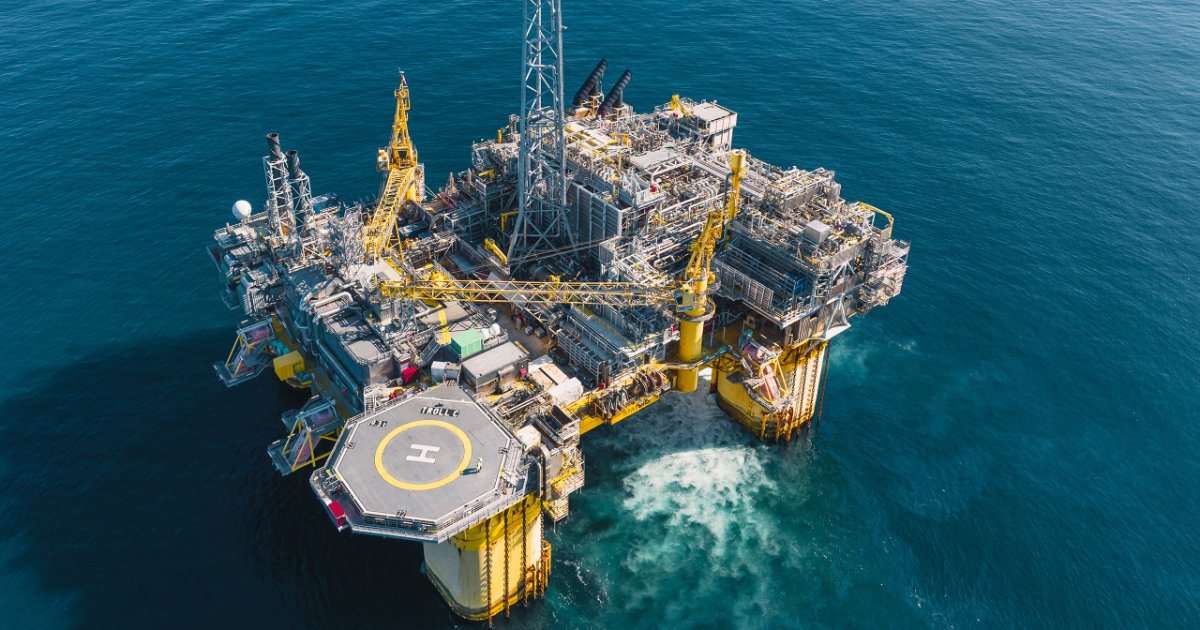
Troll A became the first platform on the Norwegian continental shelf to receive power from shore in 1996. Troll B and Troll C were partially electrified in 2024. TWEL has reduced emissions from the Troll area by around 330,000 tonnes of CO2 per year, corresponding to approximately 75% of the emission reductions originally planned in the PDO (440,000 tonnes per year). This makes the project one of the largest emissions reduction measures on the Norwegian continental shelf. Overall, the measures have reduced emissions from the Troll area to approximately the same level as in 1999.