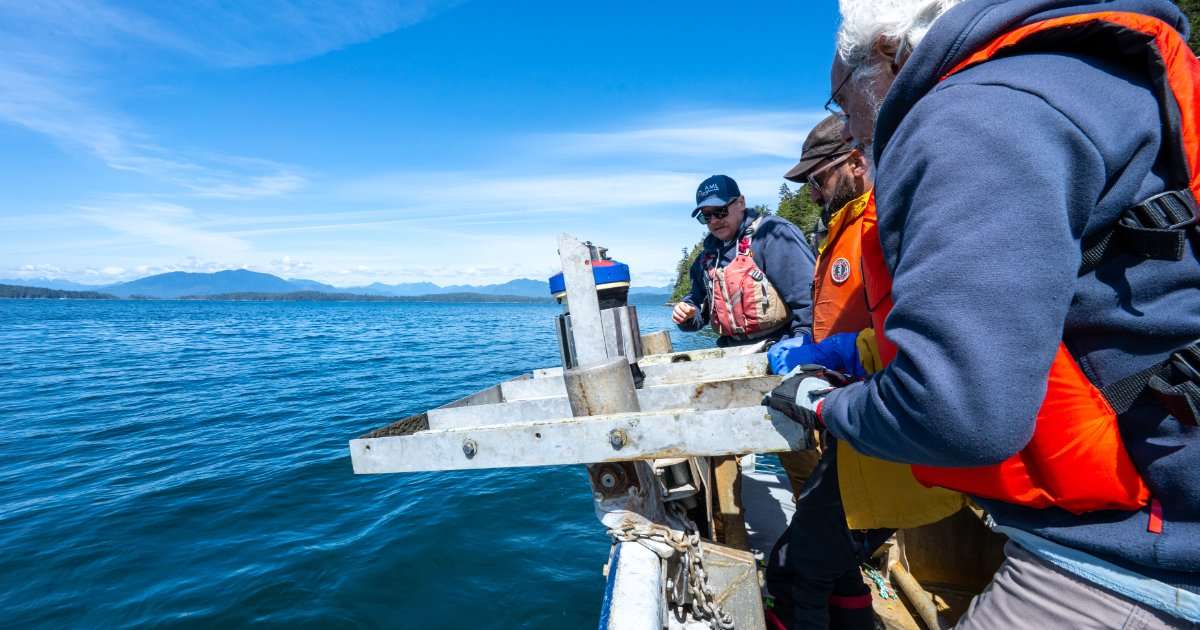
ASL’s Biological Oceanographer, Dr. Julek Chawarski, joined instructors and students at Bamfield for the intensive field program, which provides graduate students with practical experience in ocean observation, instrumentation, data collection, and analysis.
For the 2026 field school, ASL provided oceanographic equipment and expertise to give students hands-on experience with the complete lifecycle of an oceanographic mooring. Working with Dr. Chawarski and other instructors, students learned how to design and configure a mooring, prepare and integrate an Acoustic Doppler Current Profiler (ADCP) and associated instrumentation, and consider practical factors such as instrument placement, sampling strategies, deployment methods, and recovery.
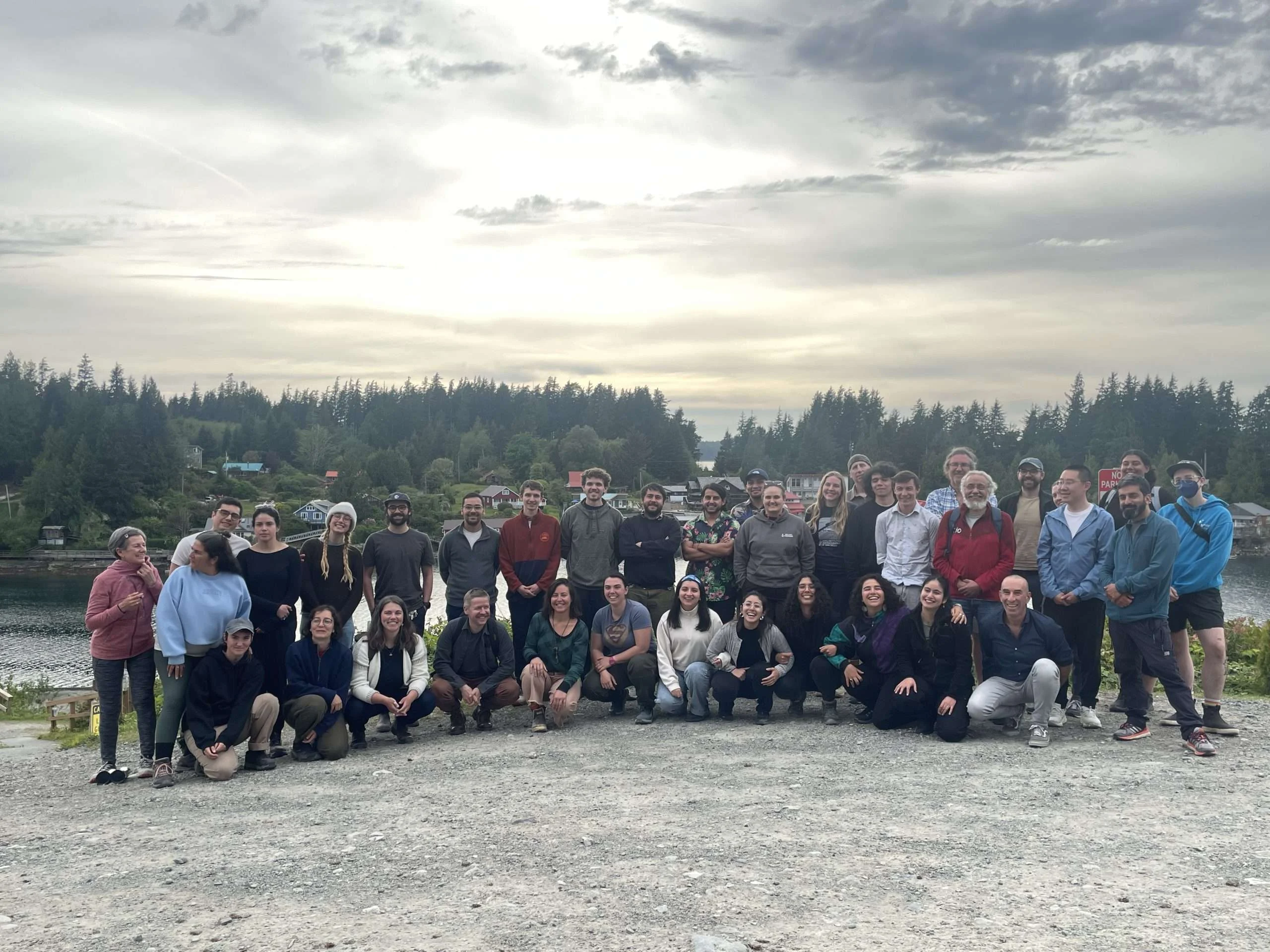
Students then took their designs from the classroom into the field, gaining practical experience deploying and recovering the mooring in the waters surrounding Bamfield. Following recovery, the exercise continued ashore, where students accessed and examined the collected ADCP data and explored how field observations can be transformed into useful information about currents and the marine environment. The exercise provided students with experience across the full oceanographic measurement process: from determining what needs to be measured and designing an appropriate observing system, through field deployment and recovery, to examining and interpreting the resulting data.
Looking ahead, ASL intends to remain actively engaged with the PRODIGY program, including a planned return to Chilean Patagonia for the 2027 field school at the San Ignacio del Huinay Foundation field station in Comau Fjord, where ASL participated in 2025, followed by another field school at the Bamfield Marine Sciences Centre in spring 2028.
Through these continued collaborations, ASL looks forward to sharing its expertise, instrumentation, and field experience with the next generation of oceanographers and supporting the development of ocean observing capacity in Canada and internationally.