
It validated a digital control system that has continued to evolve through testing, customer programs and operational development, forming the foundation for a growing family of SubSea Craft systems.
While the demonstration itself was a significant achievement, its importance extended beyond proving VICTA could operate without a crew onboard.
Behind the trial was a digital control system developed to manage how the craft operates, navigates and transitions between different mission states. The success of the program validated an architecture that could do more than support a single platform, providing a technical foundation that could be reused and developed across future systems.
The value of that foundation became evident during the development of MARS.
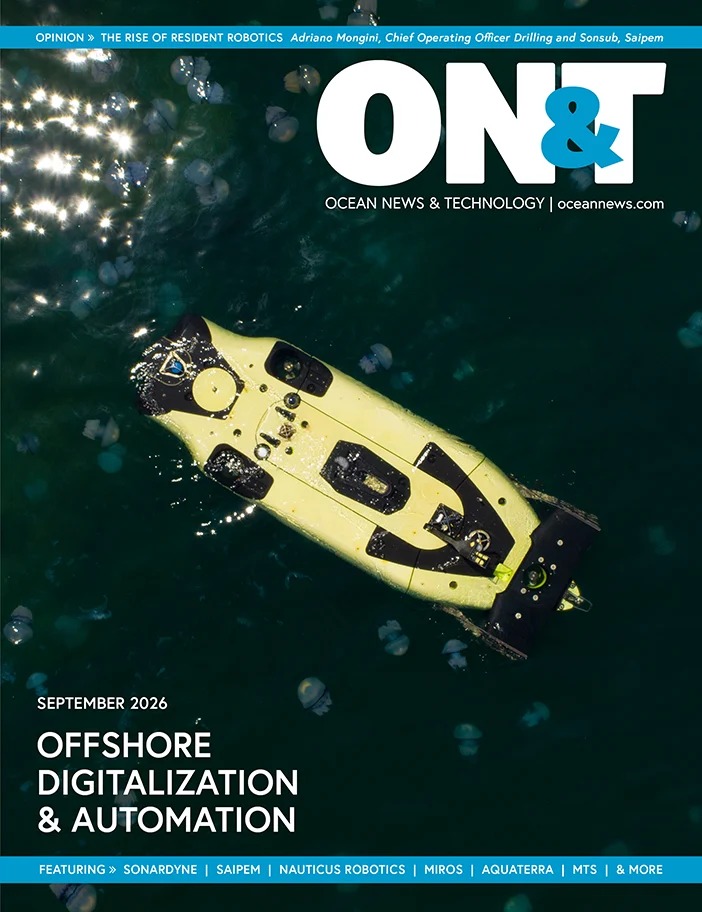
Built in just 100 days, MARS was developed using the same digital control system first demonstrated through VICTA. Rather than starting from scratch, the program built upon an established technical foundation, accelerating development and allowing the team to focus on the platform-specific requirements of a dedicated uncrewed system.
Since those initial VICTA trials, the underlying control system has continued to evolve through extensive testing, customer engagement and ongoing development. What began as a demonstrated capability has matured into a robust and highly adaptable digital framework underpinning multiple systems across the business.
This common digital foundation has become a key enabler for future development. By establishing a proven control architecture, SubSea Craft can reduce integration effort, accelerate development timelines and rapidly introduce new capabilities without repeatedly solving the same technical challenges. The result is a more agile approach to innovation, allowing lessons learned on one program to be applied across others.
While VICTA’s unmanned demonstration was a significant milestone, its lasting impact extends beyond a single platform. It marked an important step in the evolution of a digital control system that now supports a growing family of systems, from VICTA through to MARS and beyond. As maritime autonomy continues to evolve, the ability to rapidly integrate, refine and deploy new capabilities will remain essential, ensuring operational requirements can be met at pace without compromising reliability or performance.