Five ‘ocean gliders’ spent more than two months beneath the waves, gathering masses of data about the waters around the British Isles.
The 64-day data-gathering mission led by the Devonport-based Meteorological and Oceanographic (METOC) Information Warfare Group (MIWG) used ocean gliders to gather continuous oceanographic data in the latest trials off the UK coast.
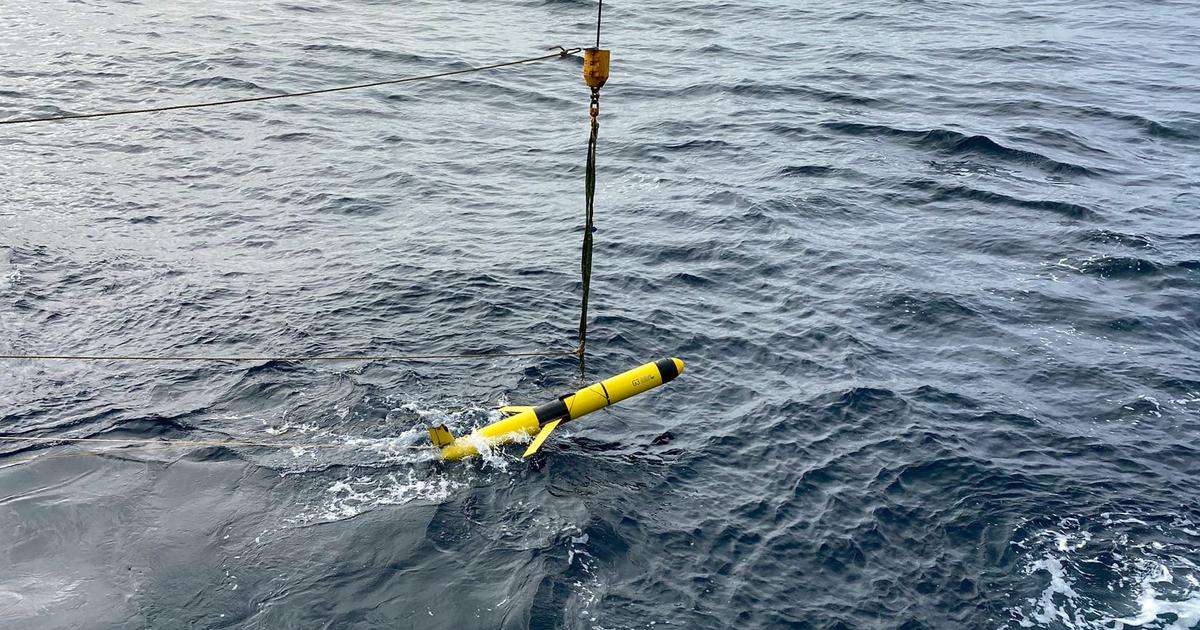
The five Slocum G3 gliders operated entirely independently, gathering reams of data, recording conductivity, temperature, and depth to calculate water properties including salinity and levels of fluorescence.
The deployment marks a deliberate shift from crewed operations as the Royal Navy continues its transformation towards a Hybrid Navy.
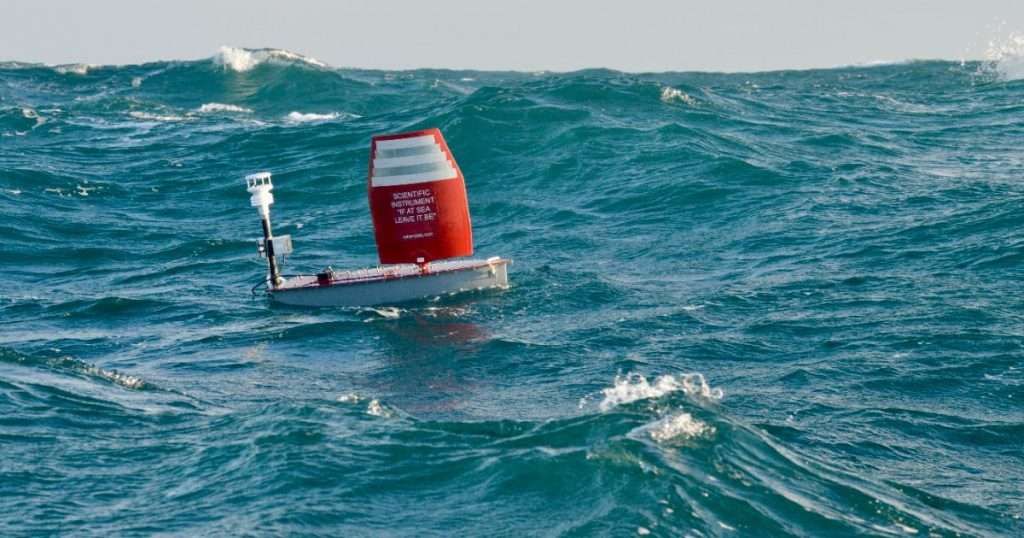
Over the past 12 months, the Royal Navy has been working with Teledyne Marine to deliver advanced uncrewed sensing systems to the frontline, including Slocum gliders and APEX profiling floats designed for persistent data collection in remote locations.
Commander Neil Masson, Commanding Officer of MIWG and Head of Information Warfare METOC, said: “This deployment proves that autonomous systems are now part of how the Royal Navy gathers environmental intelligence.
“MIWG has delivered persistent oceanographic collection at scale, improving our understanding of the underwater environment and giving commanders the information they need to gain warfighting advantage. I am extremely proud of the team, whose professionalism and determination have taken this capability from development into sustained operation for the Royal Navy and wider defense.”
The gliders represent a key component of the Future Military Data Gathering Program, a Navy Develop initiative designed to transition meteorological and oceanographic data collection from traditional crewed platforms to a distributed network of autonomous systems and specialized deployable teams.
This transformation directly supports Atlantic Bastion, the UK’s initiative to enhance situational awareness, resilience, and Anti-Submarine Warfare (ASW) capability across the North Atlantic and other contested maritime environments.
Autonomous systems offer a clear advantage in data collection: greater endurance, lower costs, and a reduction in risk. Alongside the gliders, the Royal Navy has deployed a network of ocean-profiling floats across the Euro-Atlantic region, generating thousands of observations and providing near real-time data to both the Met Office and the UK Hydrographic Office.
In 2024 and 2025 alone, autonomous oceanographic systems generated more than 193,000 observations, equivalent to over half the total number collected through traditional methods during the previous 77 years.
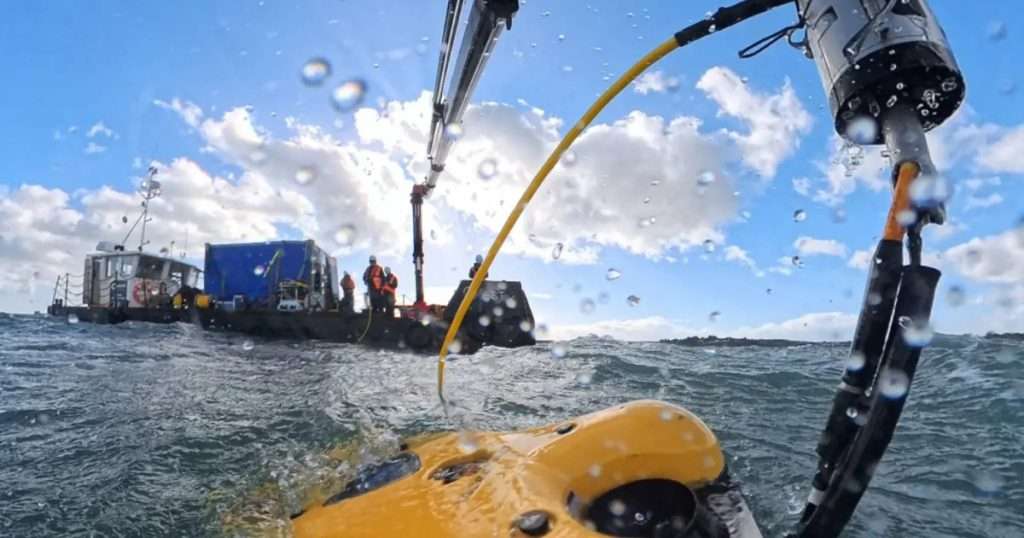
Chief Petty Officer Natalie Johnston was central to the deployment and led the team through the generation, operation, and recovery of the gliders.
She said: “This deployment represents the culmination of more than a year of effort to mature a new autonomous capability from concept into sustained operational use. I am immensely proud to have led such a committed team as they developed, operated, and proved this capability.
“The success of this deployment has also been supported by close collaboration with Teledyne Marine, whose expertise and support have helped us rapidly mature this capability into an operationally credible system.”
The information gathered by these sensors supports Anti-Submarine Warfare, submarine operations, and wider Defense activity, enabling specialists to interpret and exploit environmental data for tactical advantage. The program continues to evolve, with additional sensors expected to enter operational service in the near future.
The achievements of the MIWG Glider Team have not gone unnoticed. At the recent Information Warfare Symposium, the team received both the Departmental Award for Information Warfare Excellence and the Information Warfare METOC Innovation Award.