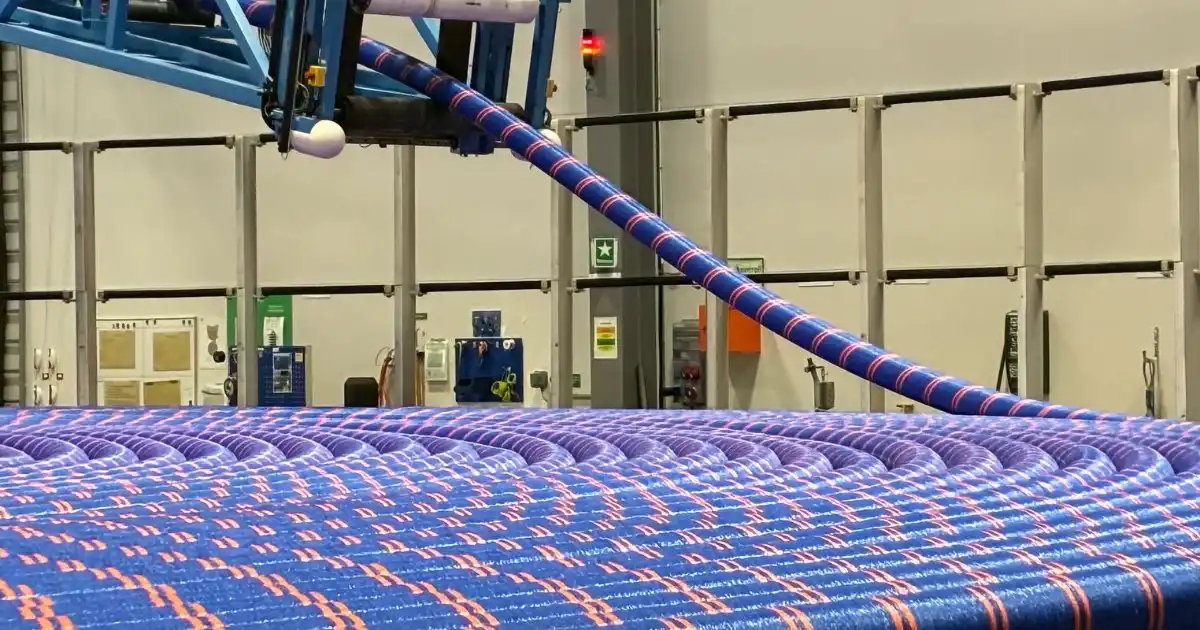
“Connecting offshore wind at this scale requires more than just new technology. It takes long-term commitment and close cooperation between partners. Together with NKT, we are developing the next generation of high-voltage cable systems that will help bring large volumes of renewable electricity ashore. This is an important step towards a more independent, secure and climate-neutral European energy system,” said Hugo Buis, Business Director Project Delivery at TenneT.
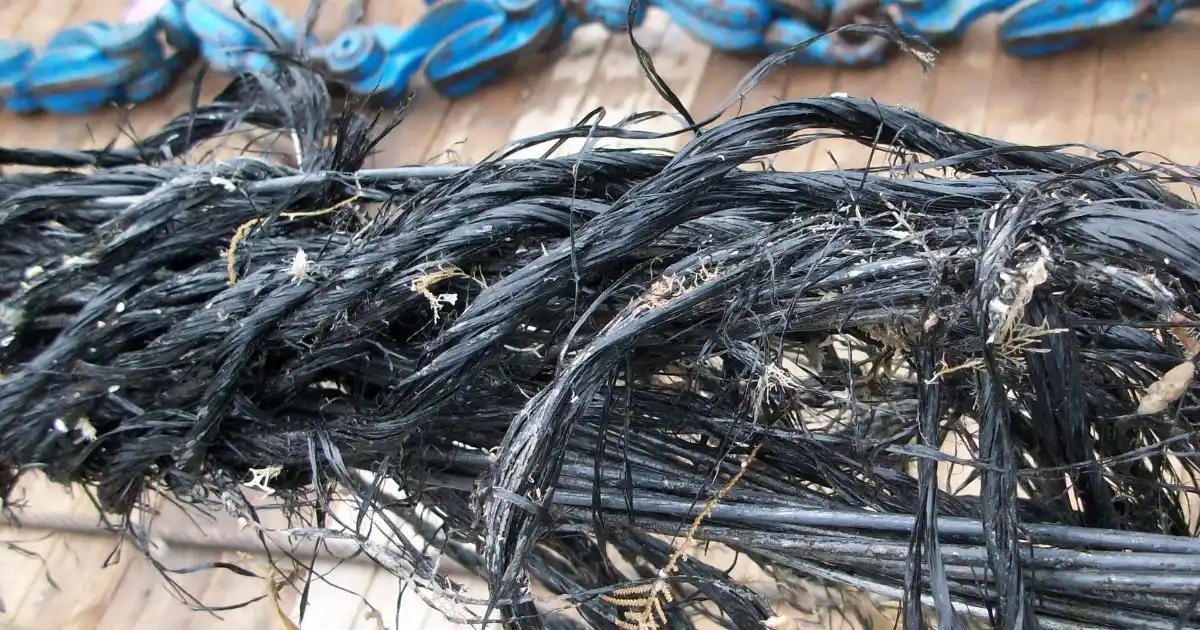
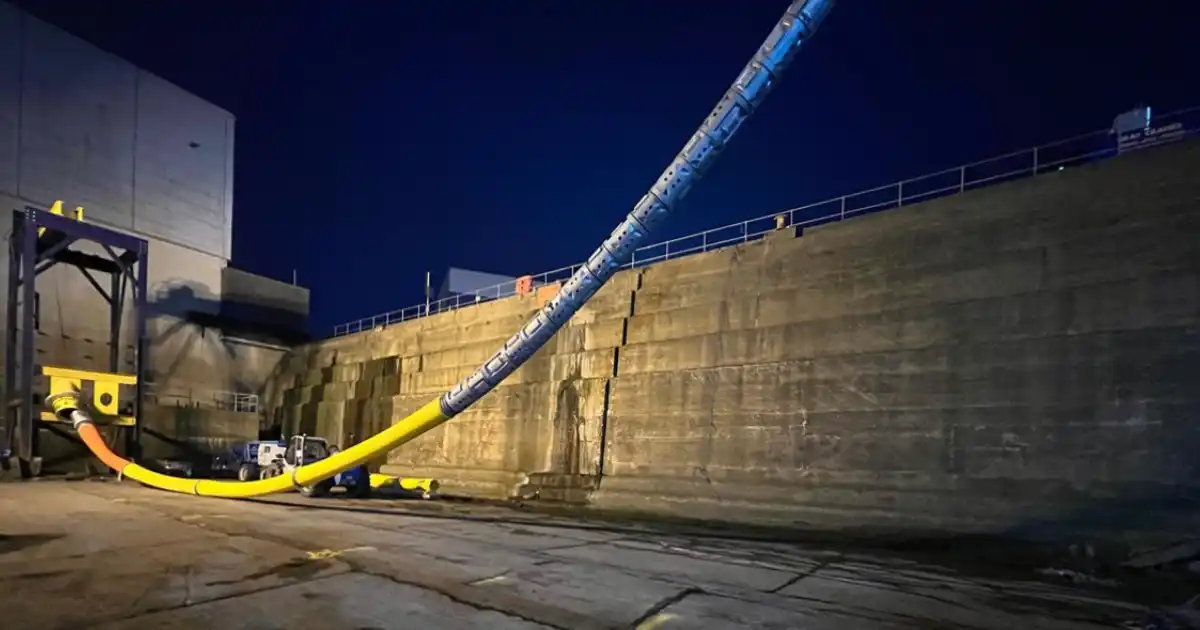
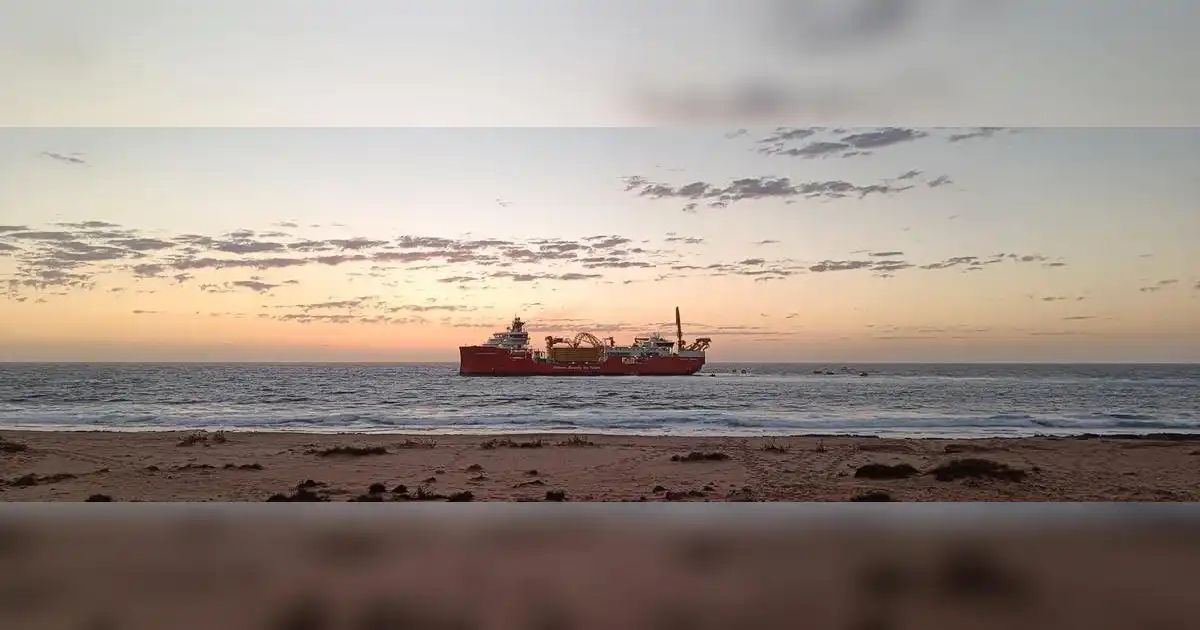
Once completed, the IJmuiden Ver Beta connection will transport renewable electricity generated in the North Sea to millions of homes and businesses, supporting both Dutch and European climate ambitions and energy demands. The IJmuiden Ver Beta project will comprise a 525 kV XLPE HVDC cable system connecting offshore wind generation in the Dutch North Sea to the onshore grid. The project forms part of a broader effort to create a stronger and more interconnected European electricity network capable of supporting growing electrification and renewable energy generation.
Strengthening Europe’s Future Power Grid
The project also represents another milestone in TenneT’s program to connect large-scale offshore wind generation to shore and strengthen security of supply across Northwest Europe.
“Starting production for IJmuiden Ver Beta is an important milestone for NKT and for Europe’s energy transition. The project demonstrates how strong European partnerships can help deliver the infrastructure needed to connect growing volumes of renewable energy and strengthen energy security. Together with TenneT and Hydro, we are contributing to a more integrated, resilient and sustainable European power system,” said Thies Helbig, Head of Project Execution Transmission in NKT.
As Europe continues to accelerate investments in renewable energy, electrification and grid modernization, projects such as IJmuiden Ver Beta highlight the importance of cooperation across the European value chain. From low-carbon raw materials and advanced cable technology to transmission infrastructure and offshore wind generation, European companies are working together to build the backbone of the future energy system.
European Collaboration Driving the Energy Transition
The cables are being produced using wire rod made from Hydro REDUXA, supplied by Hydro under the long-term supply agreement announced in 2024. With a carbon footprint of 3.7 kg CO2e per kg, the aluminum is approximately 40 percent below the European average for aluminum wire rod. The partnership combines Hydro’s low-carbon aluminum production with NKT’s leading power cable technology to help reduce the carbon footprint of critical energy infrastructure while supporting the build-out of Europe’s power grid. The project demonstrates the role that low-carbon materials can play in reducing emissions across the energy value chain.
“Reliable power cables start with responsibly sourced, high-quality materials. By supplying low-carbon aluminum produced with renewable energy in Europe, we can help lower emissions in critical grid infrastructure and secure access to the materials needed for the energy transition. Projects like IJmuiden Ver show how strong European value chains can contribute to a more secure and resilient European energy system,” said Elise Must, Vice President and Head of Sheet Ingot, Wire Rod and HyForge in Hydro.
Key Facts
- Customer: TenneT
- Project: IJmuiden Ver Beta offshore grid connection
- Technology: 525 kV XLPE HVDC cable system
- Purpose: Connecting offshore wind generation in the Dutch North Sea to the onshore grid
- Conductor material: Hydro REDUXA, with a verified footprint of 3.7 kg CO2e per kg aluminum wire rod supplied by Hydro under NKT’s long-term supply agreement
- NKT sources aluminum from Hydro, of which 100% of the total volume is ASI Chain of Custody certified, and all aluminum, alumina, and bauxite come from ASI Performance Standard certified mines, alumina refineries, and primary aluminum smelters.
- Low-carbon aluminum background: The world average carbon footprint is around 14.4 kg CO2e per kg of primary aluminum.