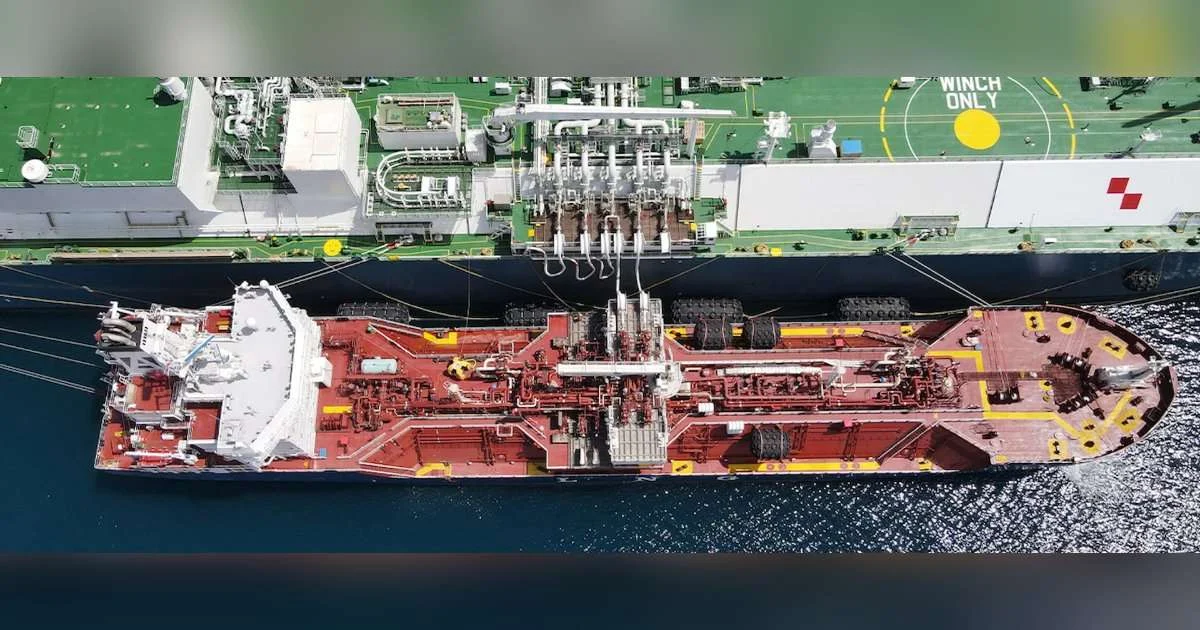
As LNG-powered shipping continues to grow, demand for bunkering capacity is rising rapidly. Although the LNG bunker fleet is expanding steadily, demand from LNG-fueled vessels is expected to grow even faster, placing increasing pressure on bunker vessels and the wider bunkering ecosystem. Without additional investment across this value chain, fuel supply could become a constraint on further LNG adoption in shipping. DNV’s white paper, Gas Bunker Vessels: Facilitating the Transition to Alternative Fuels, highlights how gas bunker vessels are evolving from specialist fuel delivery assets into critical infrastructure supporting shipping’s fuel transition.
Cristina Saenz de Santa Maria, CEO, DNV Maritime, said: “Shipping’s fuel transition depends on more than ships and fuel choices. It also depends on the infrastructure, supply chains, and operational capabilities needed to make alternative fuels available safely and at scale. As the fuel landscape continues to evolve, investment in flexible, reliable, and future-ready bunkering infrastructure will be essential.”
The white paper examines market developments, regulatory requirements, vessel design considerations, gas bunker vessel technical specialties, and operational best practices, while outlining the role gas bunker vessels will play in supporting both current LNG demand and the future adoption of alternative fuels. The white paper also highlights opportunities to accelerate market development through the conversion of suitable small-scale LNG carriers into bunker vessels. In addition, it examines the growing importance of operational readiness, structured safety management, and competence development as bunkering operations become more frequent and geographically widespread.
Martin Cartwright, Global Business Director, Gas Carriers & FSRUs, DNV Maritime, said: “LNG-fueled shipping is growing faster than the bunkering network needed to support it. Closing this gap will require coordinated investment across the bunkering ecosystem, underpinned by robust safety standards, operational readiness and competence. These elements must advance together if gas bunkering is to scale safely and reliably, while also supporting future pathways, such as biomethane.”
While the white paper focuses primarily on LNG, it also considers the emergence of ammonia as a potential marine fuel. The infrastructure, operational experience, and safety frameworks being developed for LNG bunkering today are expected to play an important role in supporting the future deployment of ammonia bunkering solutions.