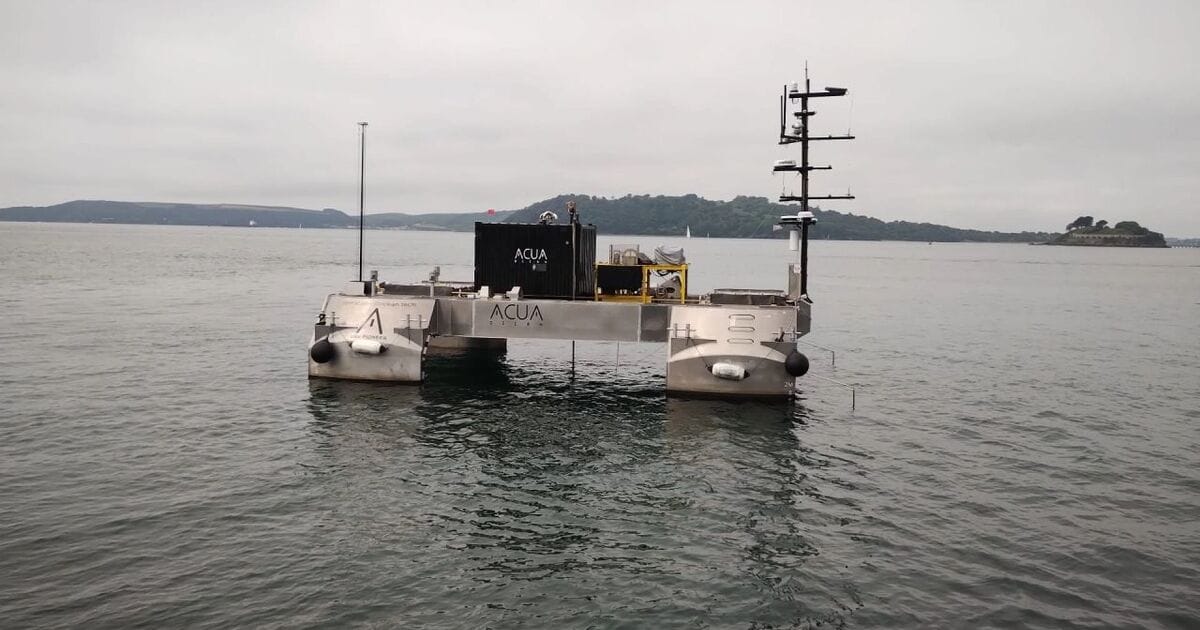
Recent on-water trials have demonstrated the integration of twin Sleipner thrusters with Robosys’ VOYAGER AI Autonomous Navigation System (ANS), delivering enhanced vessel maneuverability, precision control, and operational capability.
The milestone also marks the introduction of Dynamic Positioning (DP) and station-keeping functionality within the VOYAGER AI software suite, expanding the platform’s capabilities for offshore monitoring, inspection, and environmental data collection applications.
Dynamic Positioning and station keeping are critical capabilities for many offshore operations, enabling vessels to automatically maintain a precise position and heading, even in challenging environmental conditions. For autonomous and remotely operated vessels, this functionality supports higher-quality data collection, improved operational efficiency, and greater mission reliability.
The latest development forms part of Project ORACLES, an innovative collaboration focused on transforming the environmental consenting process for offshore wind developments. By combining autonomous vessels, advanced sensors, intelligent navigation systems, and digital technologies, the project aims to improve the way environmental monitoring data is gathered, processed, and analyzed, helping offshore wind developers streamline consenting activities while supporting responsible and sustainable growth across the renewable energy sector.
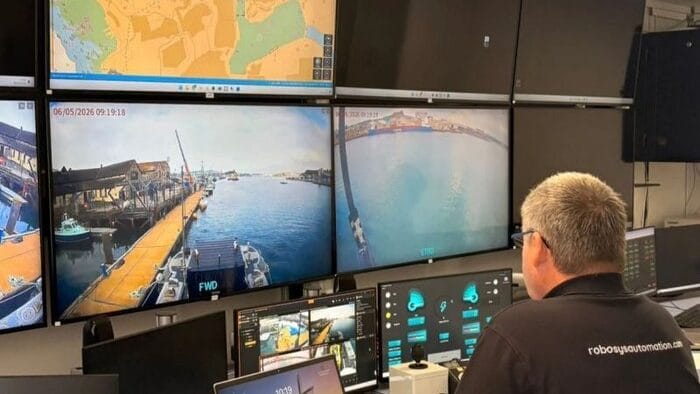
At the heart of the project is Robosys’ VOYAGER AI platform, which provides advanced remote control, autonomous navigation, and mission management capabilities for both crewed and uncrewed vessels. The platform’s ability to integrate with proven marine technologies, such as Sleipner’s thruster systems, demonstrates the flexibility of software-defined autonomy and its growing role in offshore operations.
As offshore wind developments continue to increase in scale and complexity, autonomous systems are becoming an increasingly important tool for reducing costs, improving safety, and enabling more frequent and consistent environmental monitoring. The successful integration of Dynamic Positioning capabilities represents another step forward in delivering practical autonomy solutions that can support the future needs of the offshore renewable energy sector.
Through Project ORACLES and wider industry collaborations, Robosys continues to demonstrate how advanced vessel autonomy can solve real-world challenges and unlock new opportunities for smarter, safer, and more sustainable offshore operations.